
Almanac today: 29 Nov 2026 · UTC+8 time zone
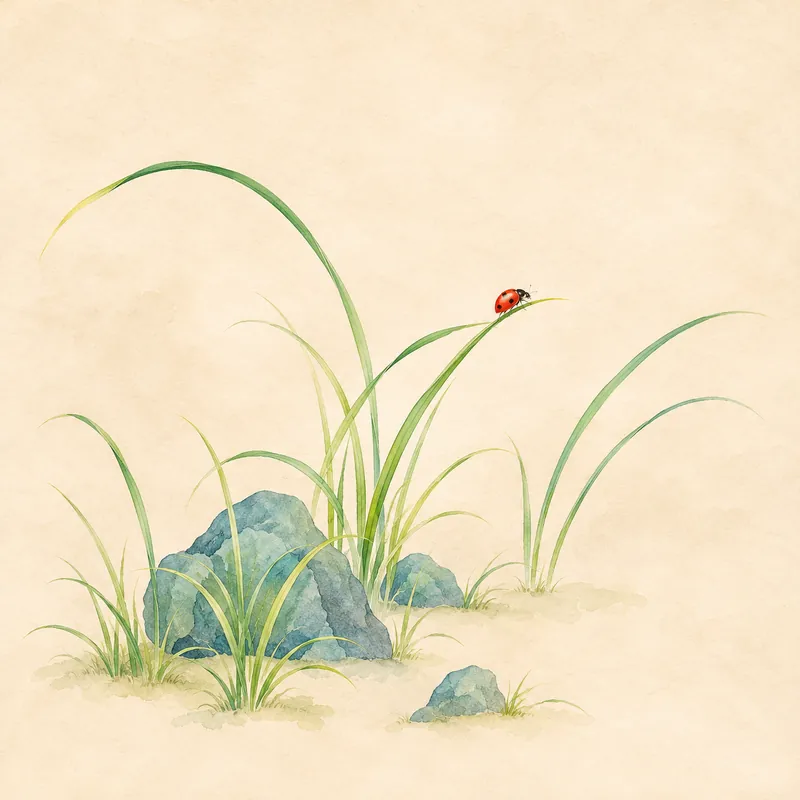
 驚
Awakening of Insects
節The third solar term, when spring thunder begins and dormant insects awaken.
- Jie start in 2026
- Mar 521:59
- Solar ecliptic longitude
- 345°
- Order of solar terms
- Spring · No. 3
Next Awakening of Insects: Mar 6, 2027 03:40, in 97 days (UTC+8 time zone)
What Is Awakening of Insects?Introduction
Awakening of Insects is the third of the twenty-four solar terms, formerly called Qizhe, ‘the opening of dormancy’. Zhe refers to insects hidden away for winter, and jing means being startled awake.
The Collected Explanations of the Seventy-Two Pentads of the Monthly Ordinances (月令七十二候集解) describes it as the solar term at the beginning of the second lunar month: all things emerge through zhen, which represents thunder. The name thus refers to dormant insects stirred into emerging by thunder.
Astronomy and Calendar
Awakening of Insects falls around Mar 5 or 6 in the Gregorian calendar, when the Sun reaches ecliptic longitude 345°. Its precise time varies slightly each year.
It follows Rain Water and precedes Spring Equinox as spring's third solar term.
Awakening of Insects: Jie Start Times
| Year | Jie start time (UTC+8 time zone) | |
|---|---|---|
| 2025 | Mar 5 Wed 16:07 | Past |
| 2026 | Mar 5 Thu 21:59 | Past |
| 2027 | Mar 6 Sat 03:40 | Upcoming |
| 2028 | Mar 5 Sun 09:25 | |
| 2029 | Mar 5 Mon 15:18 |
Solar ecliptic longitude: 345°. Each year's time is calculated astronomically to the nearest minute.
Season and Climate
At Awakening of Insects, the land warms, temperatures rise noticeably and rainfall increases. Thunder is often heard in the Yangtze River basin as the first spring thunderstorms arrive.
Temperatures rise quickly, however, while rainfall remains limited, and spring drought begins to emerge. In folk tradition, this is the sunny ninth nine-day period after Winter Solstice. Most regions enter the spring farming season, and flowers, birds and trees increasingly show signs of spring.
Three Traditional PentadsThe Seventy-Two Pentads
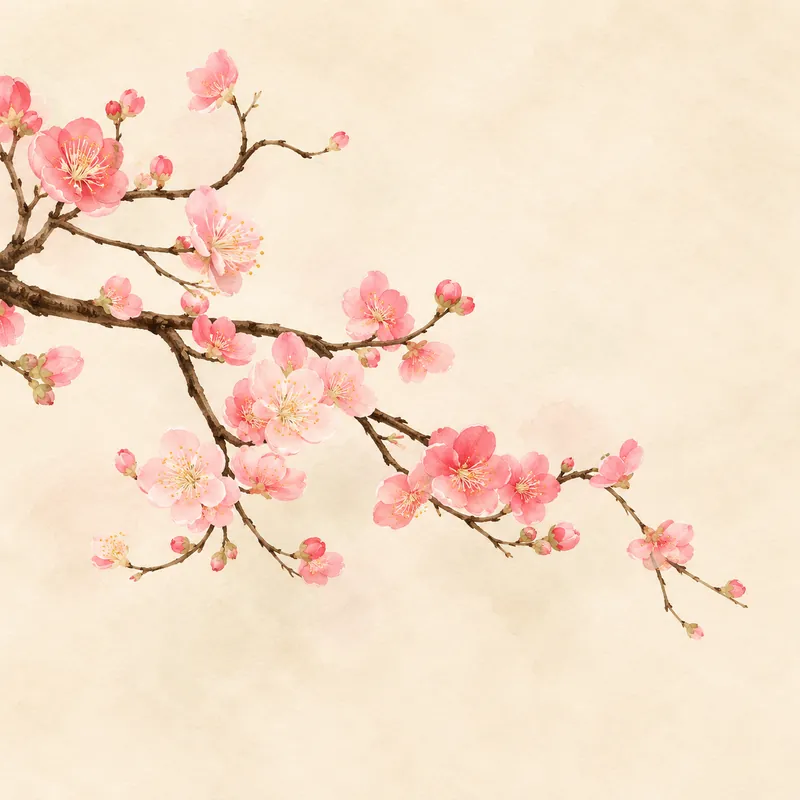
- First pentad·桃始华(Peach trees begin to blossom)
Peach blossoms begin to open.
- Second pentad·仓庚鸣(Orioles begin to sing)
Canggeng, the oriole, begins to sing.
- Third pentad·鹰化为鸠(Hawks turn into doves)
People once believed hawks turned into doves; in fact, hawks retreat from view while doves become active.
These three pentads come from the Collected Explanations of the Seventy-Two Pentads of the Monthly Ordinances (月令七十二候集解).
Traditional Farming
Awakening of Insects is regarded as the beginning of spring cultivation: ‘Once Awakening of Insects has passed, spring farming cannot pause.’ Wheat at booting and rapeseed in flower both need substantial water, so spring drought is a concern. ‘Spring thunder startles a hundred insects’: warmer weather also brings pests and diseases, while weeds begin to sprout. Pest and disease control, intertillage and weeding are therefore needed.
Many farming sayings concern spring cultivation and the weather. These are some widely circulated examples:
Once Awakening of Insects has passed, spring farming cannot pause.
Fail to harrow at Awakening of Insects, and the soil loses moisture like a steamer leaking steam.
Hoe wheat three times for thinner bran and more flour.
A cold Awakening of Insects means a warm Spring Equinox.
Seasonal Customs and Foods
Customs
- Covering drums with hides
- The Rites of Zhou (周礼) states that drums should be covered on the day of Qizhe. People imagined that thunder at Awakening of Insects came from the thunder god striking a heavenly drum, so they covered earthly drums with leather that day.
- Worshipping the White Tiger
- In folk legend, the White Tiger is a deity of quarrels and disputes who emerges to find food and harm people on Awakening of Insects. People draw a white tiger on paper with a pair of fangs, then smear pig's blood and pork on its mouth during worship, hoping that once fed it will stop spreading trouble.
- Sweeping away and frying insects
- Farmers around Ningbo, Zhejiang, regard Awakening of Insects as a festival for sweeping away insects and take brooms into the fields for a ritual. On the morning of the solar term, Hakka people in Shangyou, Chongyi and Suichuan, Jiangxi, dry-fry small handfuls of grain seed, beans, pumpkin seeds and sunflower seeds. Called ‘frying insects’, the cooked seeds are shared with children and are said to protect crops from pests.
Food
- Eating pears
- Eating pears is a folk custom at Awakening of Insects. The Chinese words for ‘pear’ and ‘leave’ sound alike: one explanation connects the practice with remembering ancestors while leaving home to make a living; another says it keeps pests away from crops. The weather is dry, and pears are a seasonal fruit. Tradition regards them as cooling and sweet, with effects that moisten the lungs, relieve coughs, nourish yin and clear heat.
Life Today
Awakening of Insects is still treated as the start of spring farming and spring itself. Some people eat pears, while others prepare pest control in the fields. Hakka communities in western Fujian and southern Jiangxi still fry beans and grain seeds.
Some places introduce customs such as covering drums and sweeping away insects to young people as part of solar-term culture. It is also a time for spring outings and viewing peach blossoms.
According to traditional health practices, all living things revive at Awakening of Insects, but the relatively dry climate makes people prone to coughs caused by external influences. Pears are traditionally considered cooling and sweet, able to moisten the lungs, relieve coughs, nourish yin and clear heat. Viruses and bacteria also become active as spring warms and flowers bloom. Liver diseases are common then, so soothing the liver and strengthening the spleen are emphasized, alongside close attention to preventing influenza, meningococcal meningitis, chickenpox and other infectious illnesses. With warmth interrupted by cold, moods may fluctuate like the weather, bringing anxiety, poor sleep and reduced appetite; attention should be paid to preventing ‘spring depression’. Care should follow the rising yang energy and new growth of the season: eat more fresh vegetables and protein-rich foods, go to bed later and rise early, walk at a gentle pace, and take spring outings with family and friends to relax the mind. These are traditional folk and Chinese medicine beliefs, provided for cultural understanding only, and do not constitute medical advice.
The Six Solar Terms of Spring
Source: China Intangible Cultural Heritage website Author: China Intangible Cultural Heritage Protection Center