
Almanac today: 29 Nov 2026 · UTC+8 time zone
Twenty-Four Solar Terms
The twenty-four solar terms are periods defined in ancient China by the Sun's position on the ecliptic. Here you can find each year's start times in the UTC+8 time zone, along with the terms' origins, seasonal signs and traditional customs.
 小
Current solar term
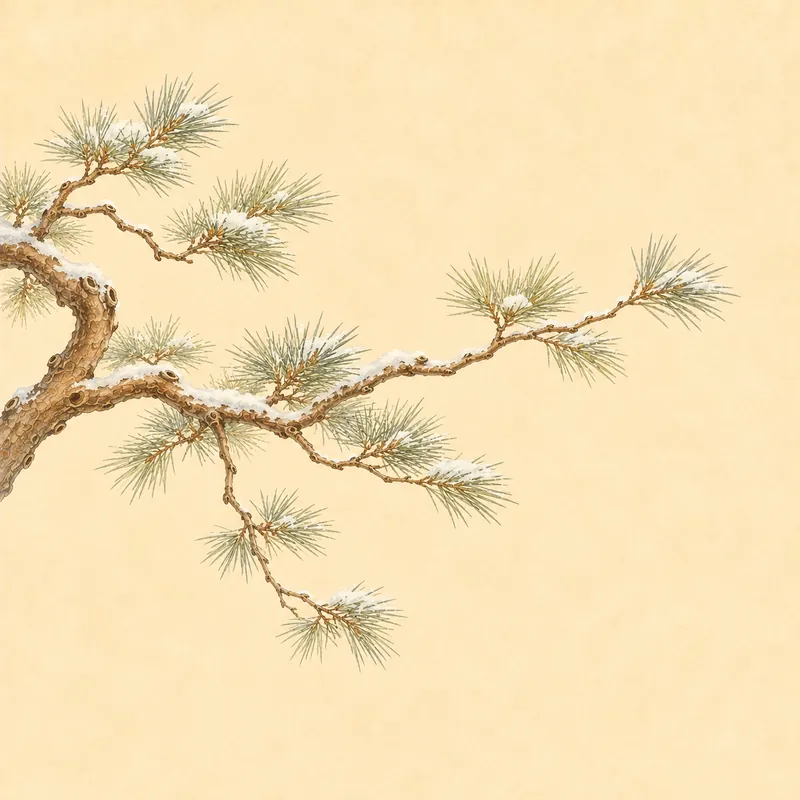
Minor Snow
氣Zhongqi begins on Nov 22 at 15:23, today is day 8
The weather grows colder, and some regions see their first snow.
Origins and Basic Principles
A full circuit of the ecliptic is 360°. Each 15° marks a solar term, giving twenty-four in a year. By observing the Sun's annual motion, people developed a system linking heat and cold, precipitation, seasonal changes in nature and farming activities.
The twenty-four terms alternate between jie and zhongqi: jie occur at the beginning of the month, such as Beginning of Spring, while zhongqi occur in the middle, such as Rain Water. In the traditional calendar, the year begins with Beginning of Spring and ends with Major Cold.
In 2016, the twenty-four solar terms were inscribed on UNESCO's Representative List of the Intangible Cultural Heritage of Humanity.
The Four Seasons
- SpringBeginning of Spring → Grain Rain Ecliptic longitude 315° – 30°
Beginning of SpringRain WaterAwakening of InsectsSpring EquinoxClear and BrightGrain Rain
- SummerBeginning of Summer → Major Heat Ecliptic longitude 45° – 120°
Beginning of SummerGrain BudsGrain in EarSummer SolsticeMinor HeatMajor Heat
- AutumnBeginning of Autumn → Frost's Descent Ecliptic longitude 135° – 210°
Beginning of AutumnEnd of HeatWhite DewAutumn EquinoxCold DewFrost's Descent
- WinterBeginning of Winter → Major Cold Ecliptic longitude 225° – 300°
Beginning of WinterMinor SnowMajor SnowWinter SolsticeMinor ColdMajor Cold
Solar Terms in Order2026
Winter
Minor Cold · Major Cold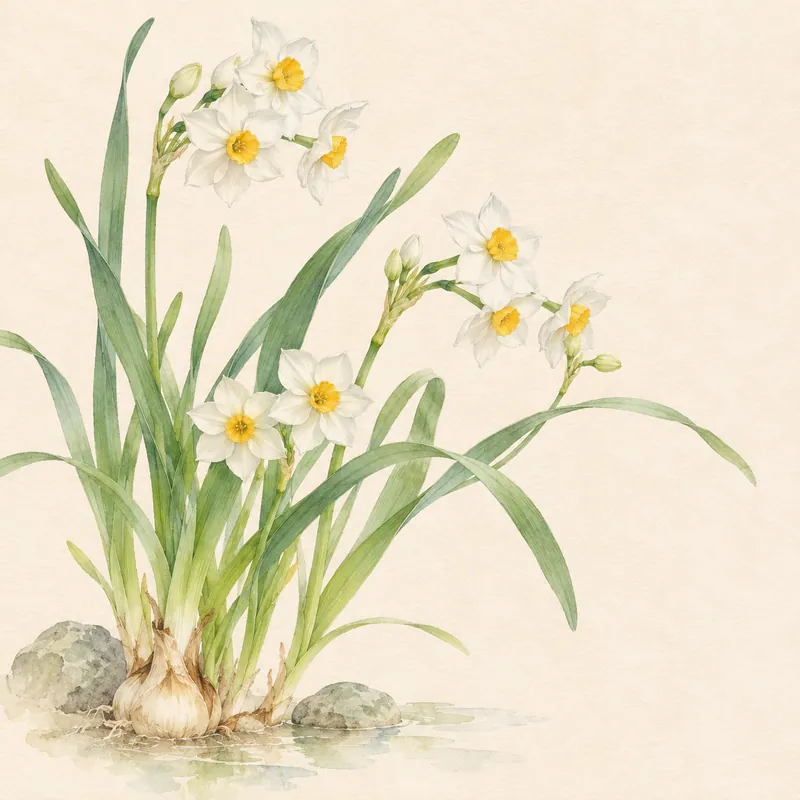 Minor Cold節The cold intensifies as the year enters its coldest period.
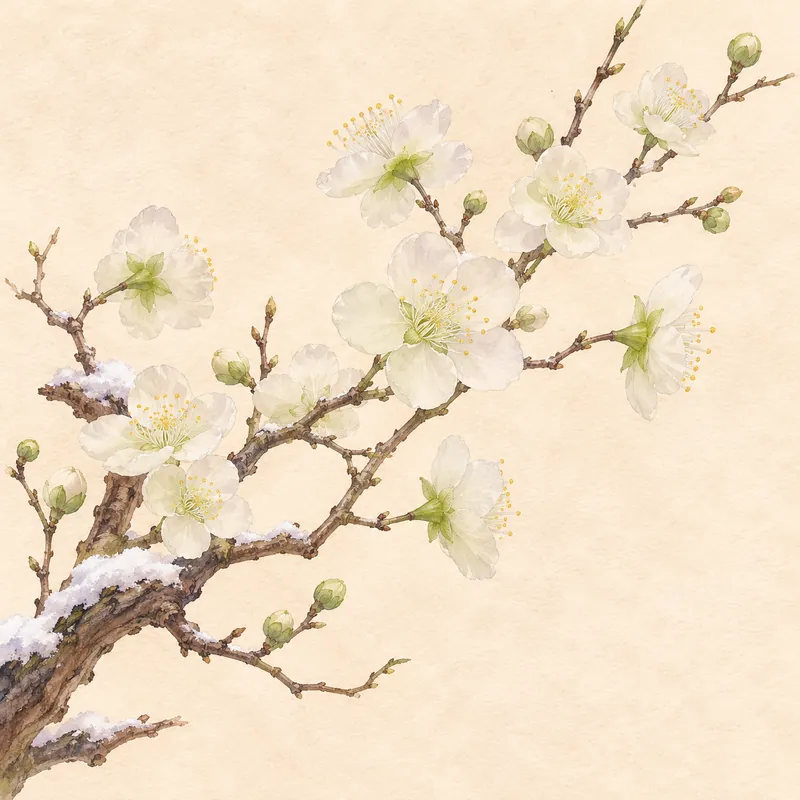 Major Cold氣Winter cold reaches its height as the land awaits spring's return.
Spring
Beginning of Spring → Grain Rain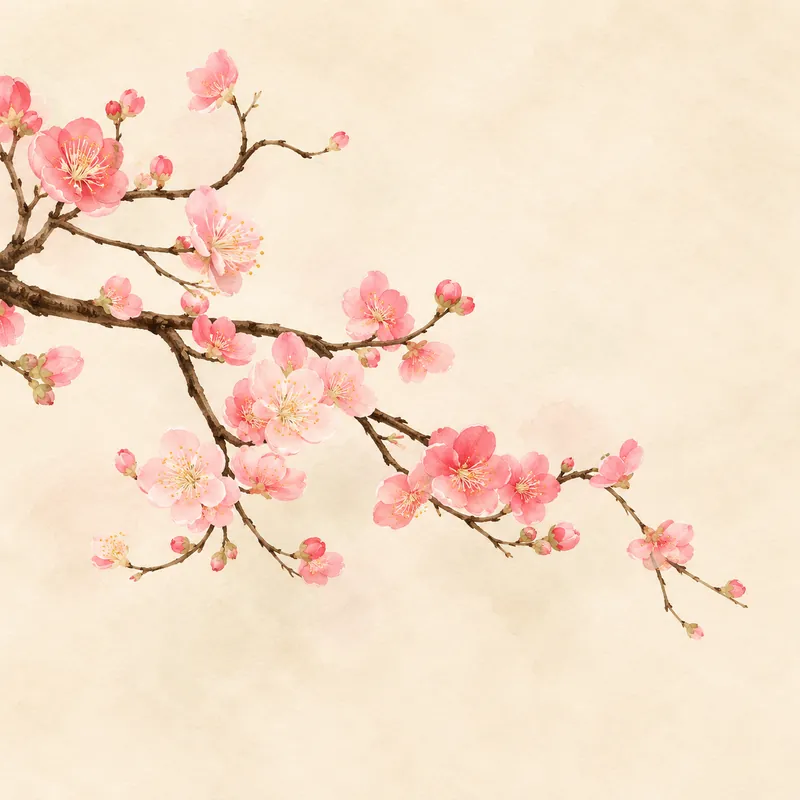 Beginning of Spring節Spring returns, and plants begin to sprout and grow.
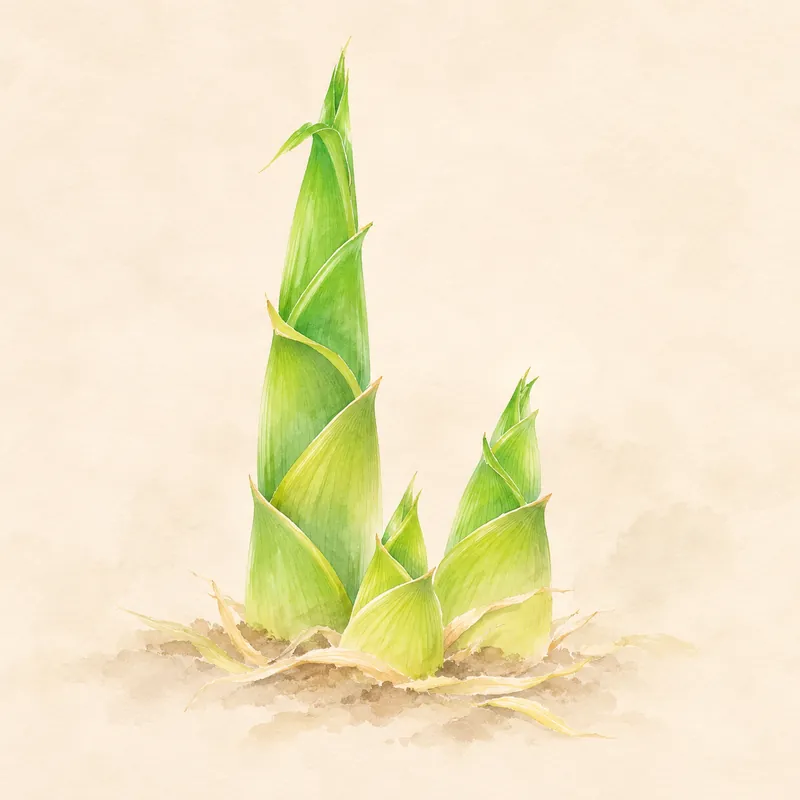 Rain Water氣Rain increases, ice and snow melt, and plants receive more moisture.
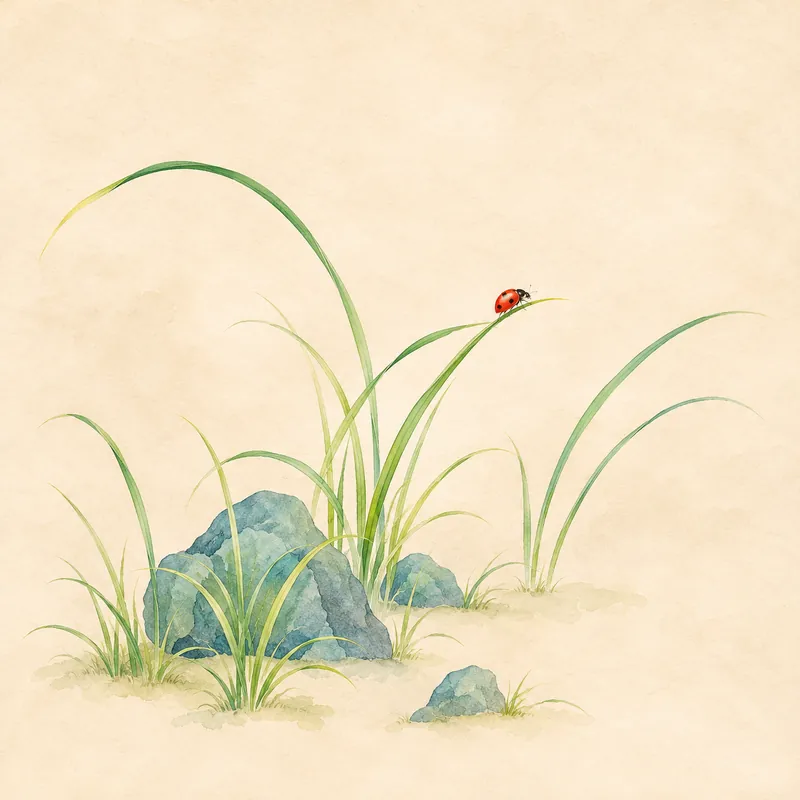 Awakening of Insects節Spring thunder begins, and dormant insects gradually awaken.
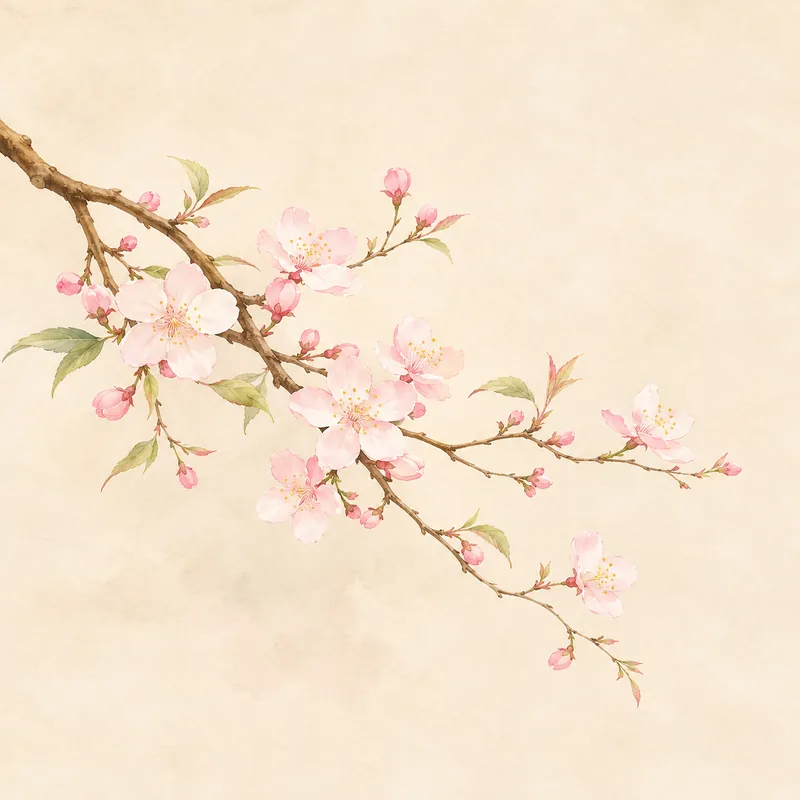 Spring Equinox氣Day and night are equal, spring deepens, and flowers open in succession.
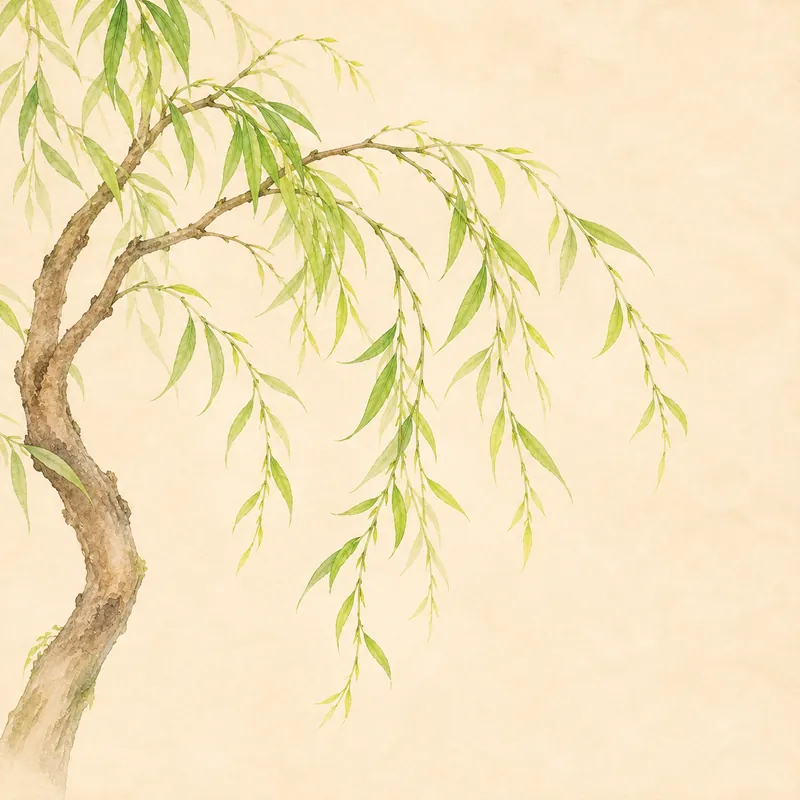 Clear and Bright節Clear skies and flourishing plants mark the season for spring outings.
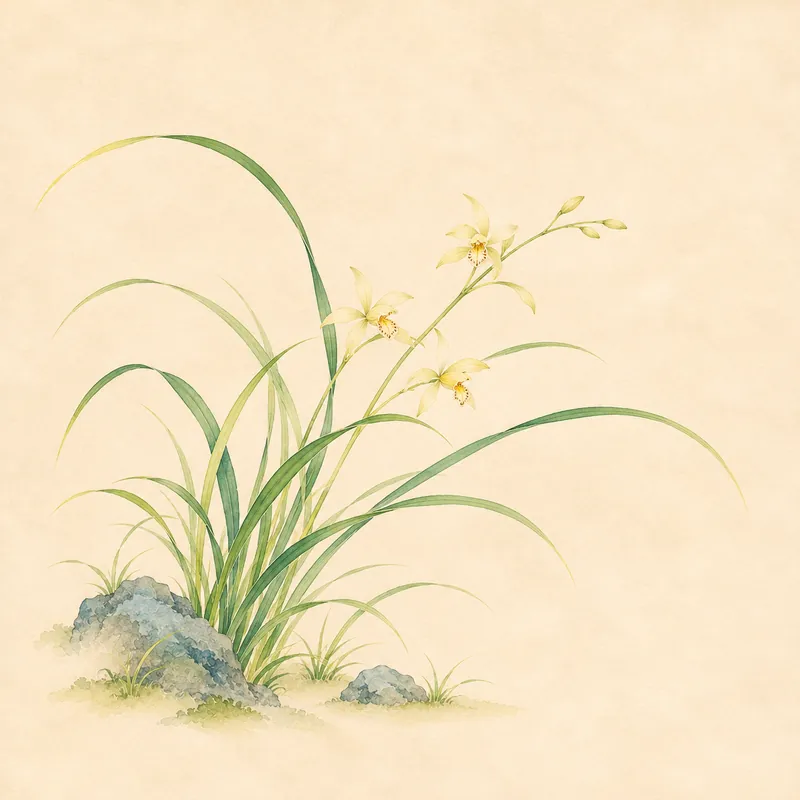 Grain Rain氣Spring rain nourishes grain crops and other new growth.
Summer
Beginning of Summer → Major Heat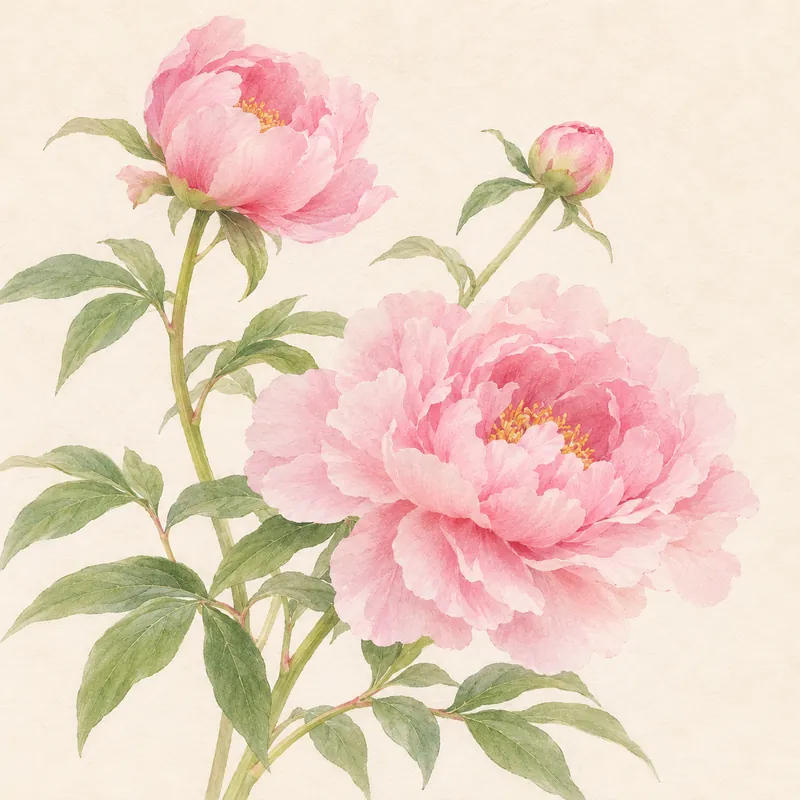 Beginning of Summer節Summer arrives, and all things enter a season of vigorous growth.
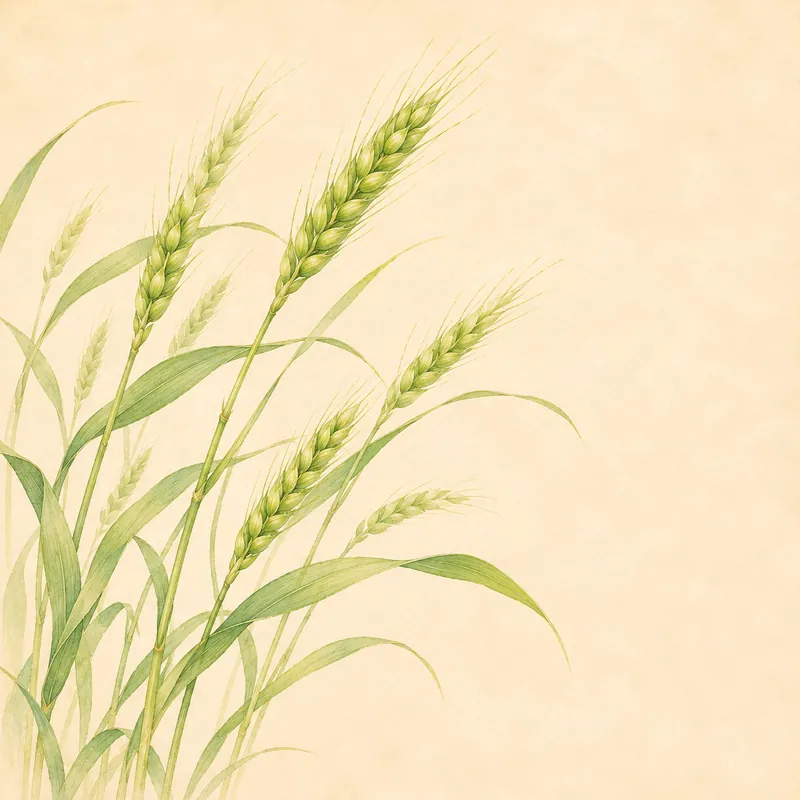 Grain Buds氣Summer-ripening grains begin to fill but are not yet fully mature.
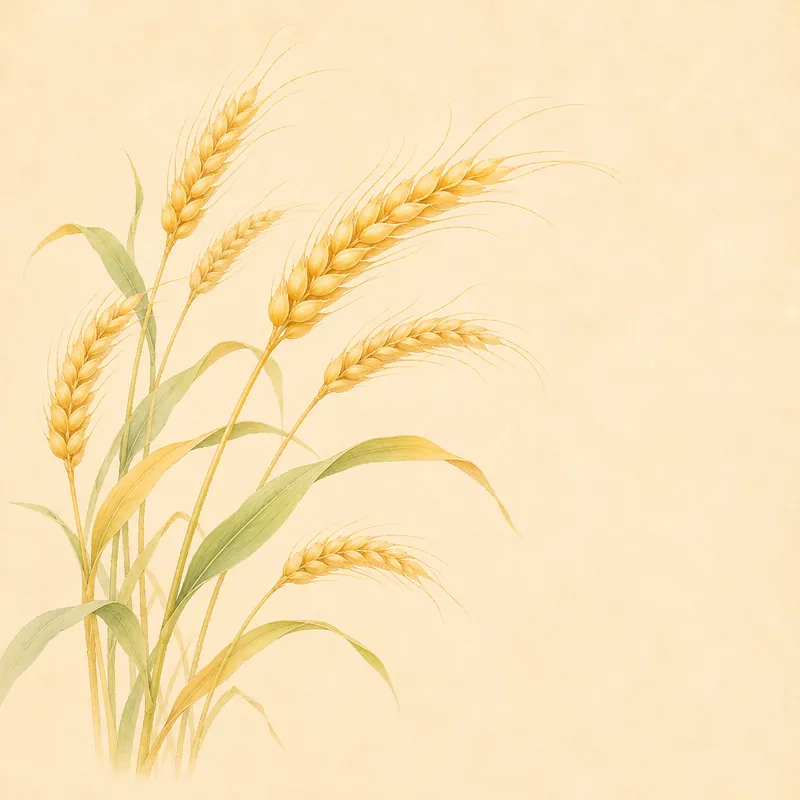 Grain in Ear節Wheat ripens for harvest, while rice sowing begins.
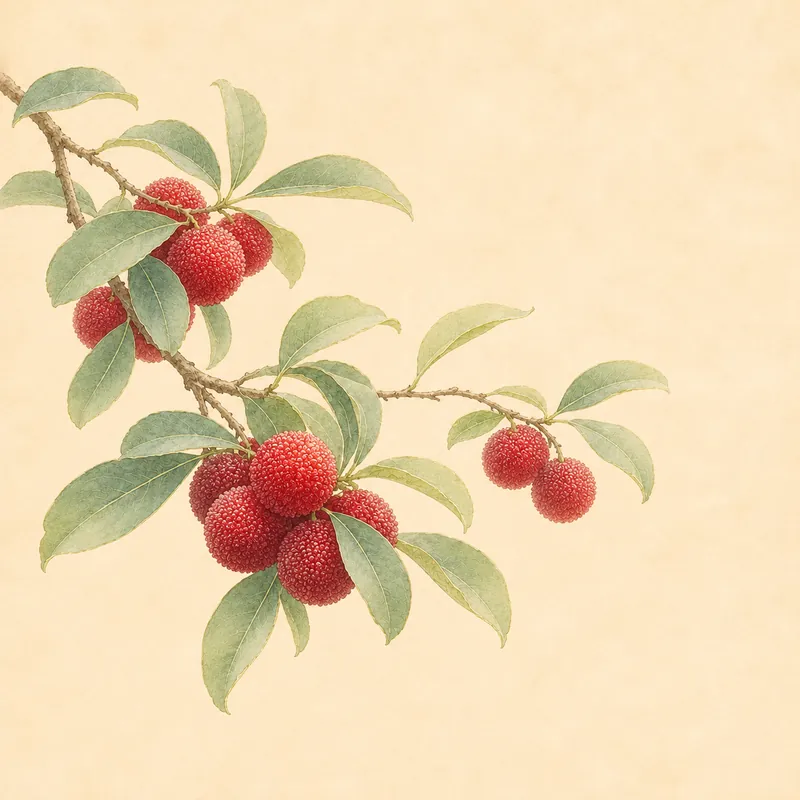 Summer Solstice氣Daylight reaches its longest, and midsummer draws closer.
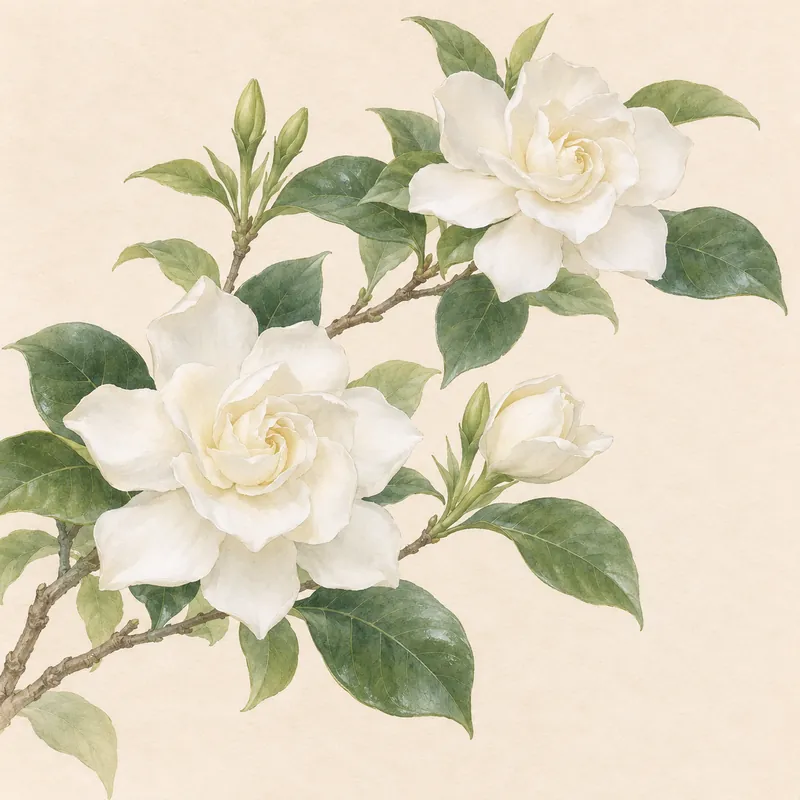 Minor Heat節The weather grows hotter as summer heat begins to take hold.
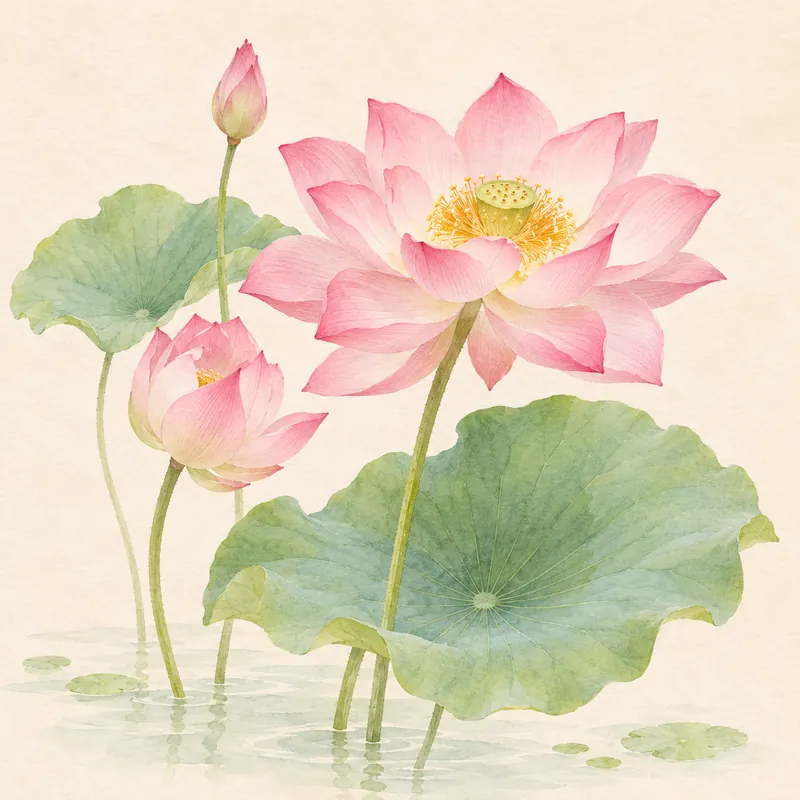 Major Heat氣Summer heat reaches its yearly peak, with more frequent thunderstorms.
Autumn
Beginning of Autumn → Frost's Descent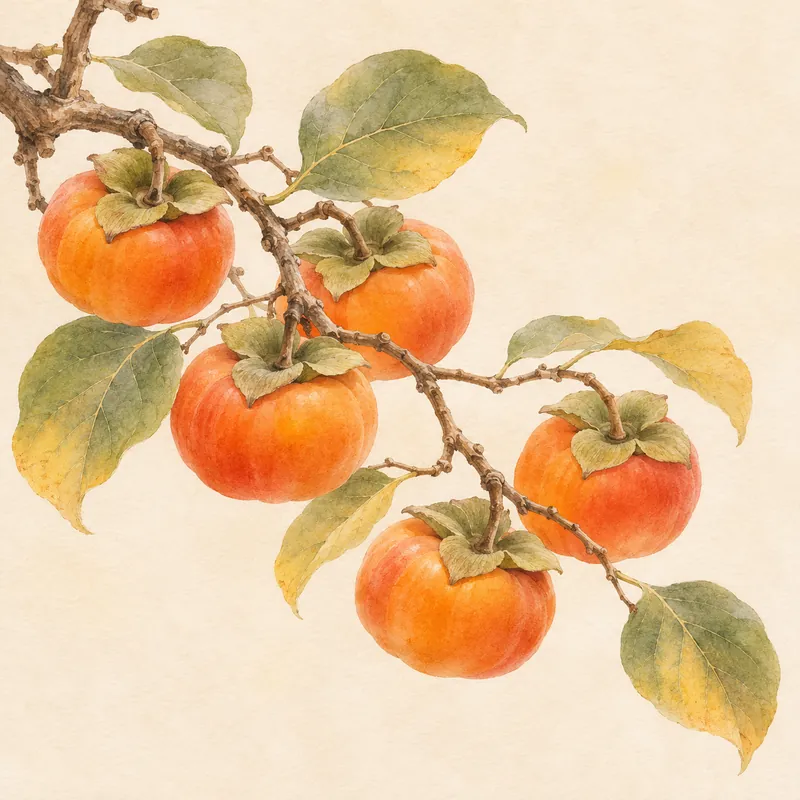 Beginning of Autumn節The first signs of autumn appear, and plants begin to move toward maturity.
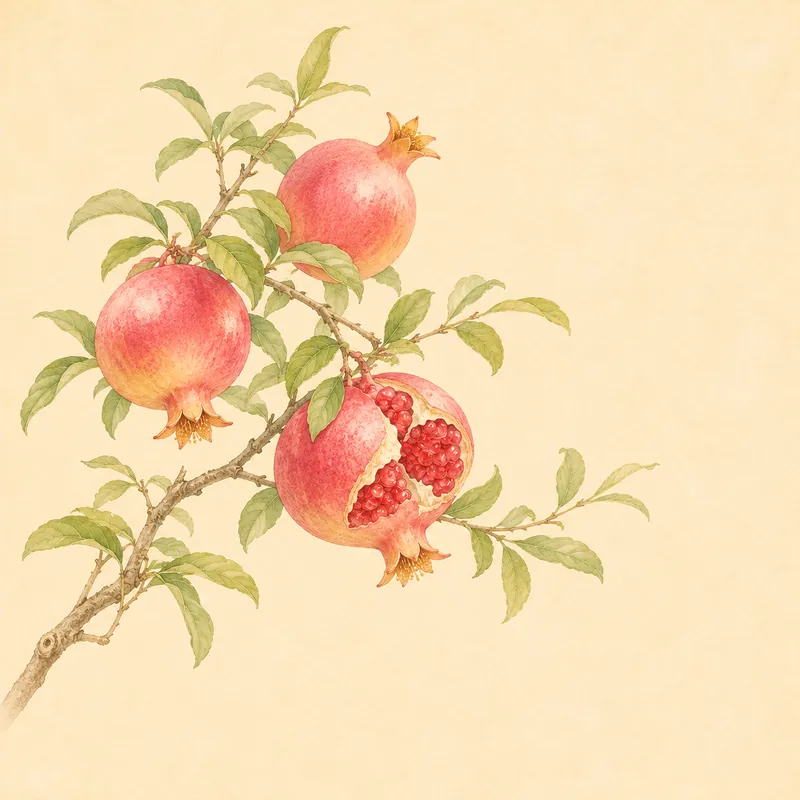 End of Heat氣Summer heat recedes, and the weather gradually cools.
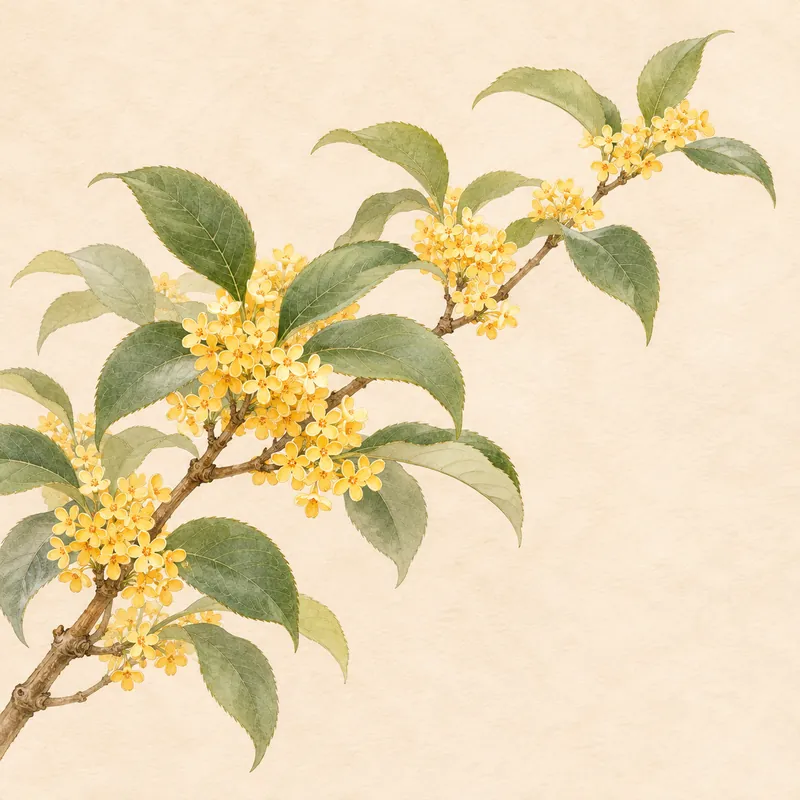 White Dew節Moisture condenses at night, leaving clear dewdrops on plants.
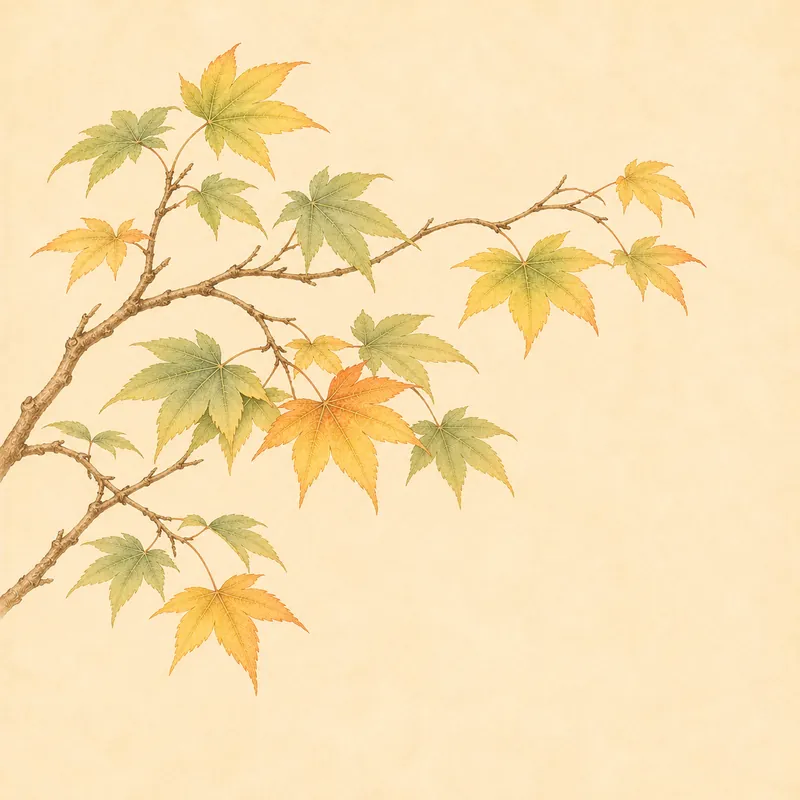 Autumn Equinox氣Day and night are equal again as autumn deepens and grain crops ripen.
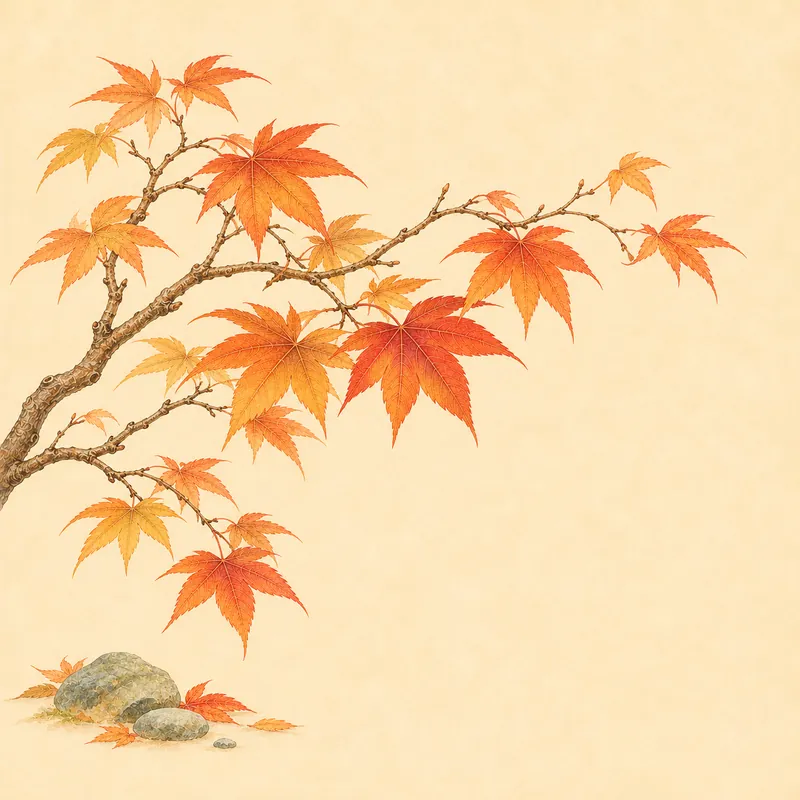 Cold Dew節Temperatures continue to fall, dew grows cold, and autumn deepens.
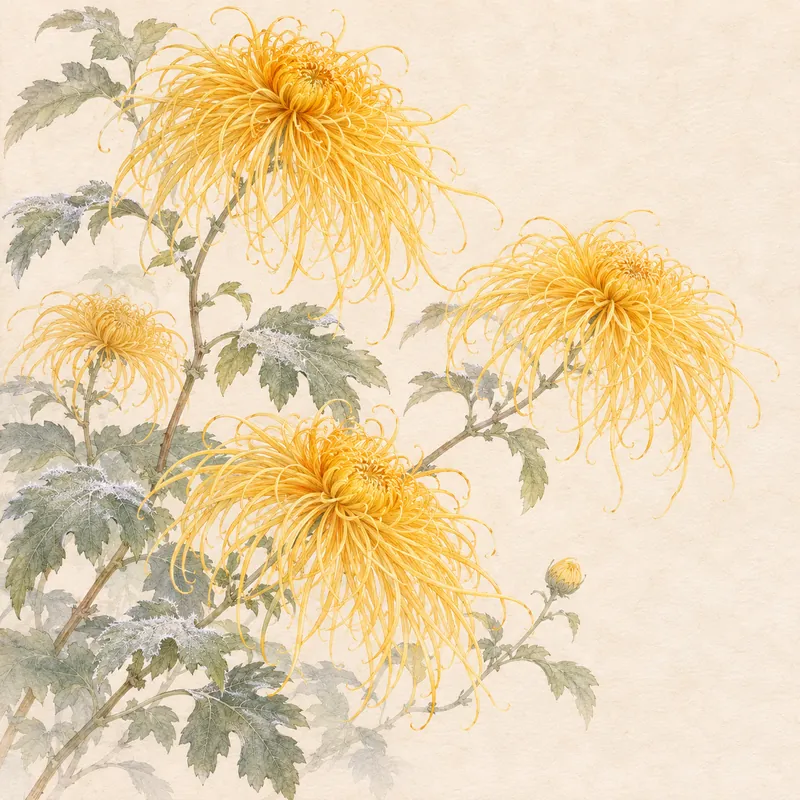 Frost's Descent氣The weather turns cold, the first frosts appear, and plants begin to wither.
Winter
Beginning of Winter → Winter Solstice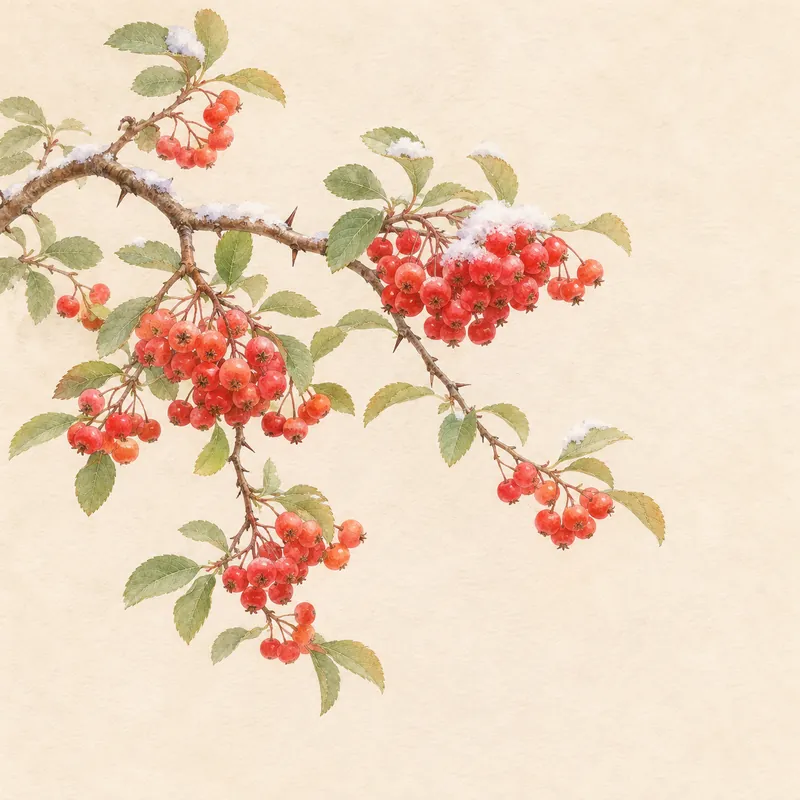 Beginning of Winter節Winter begins, and the natural world gradually enters a period of rest and conservation.
- CurrentMinor Snow氣The weather grows colder, and some regions see their first snow.
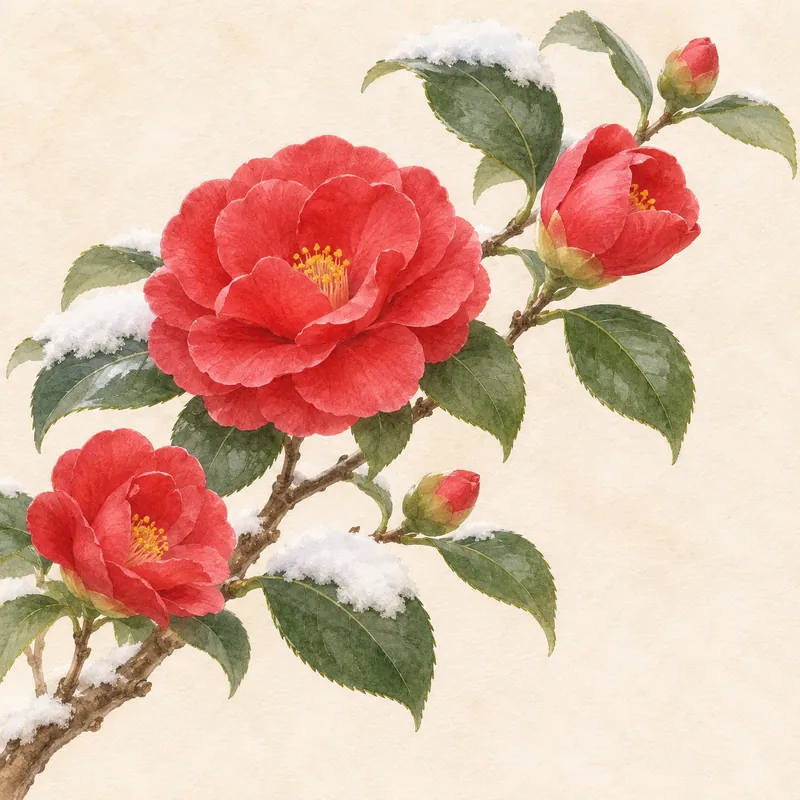 In 8 daysMajor Snow節The cold intensifies, snowfall increases, and the land gradually turns white.
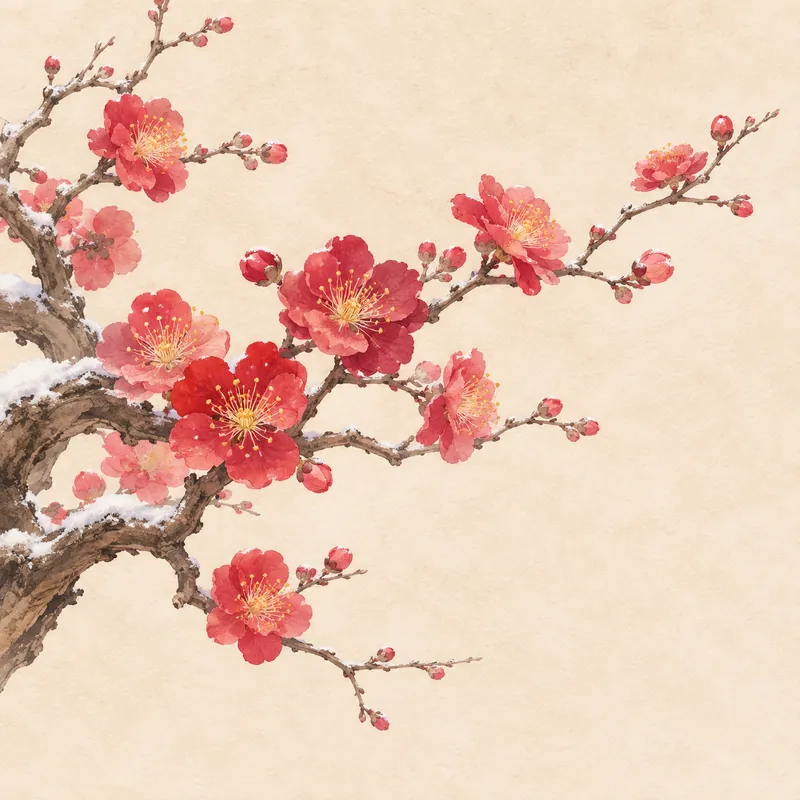 Winter Solstice氣Daylight is shortest; yin reaches its peak and yang begins to emerge as winter deepens.
Times are in the UTC+8 time zone. View this month's calendar