
Almanac today: 29 Nov 2026 · UTC+8 time zone
 霜
Frost's Descent
氣The eighteenth of the twenty-four solar terms and the last solar term of autumn.
- Zhongqi start in 2026
- Oct 2317:38
- Solar ecliptic longitude
- 210°
- Order of solar terms
- Autumn · No. 18
Next Frost's Descent: Oct 23, 2027 23:33, in 328 days (UTC+8 time zone)
What Is Frost's Descent?Introduction
Frost's Descent is autumn's final solar term, marking the appearance of the first frost, with Beginning of Winter to follow. The Collected Explanations of the Seventy-Two Pentads of the Monthly Ordinances (月令七十二候集解) describes the middle of the ninth lunar month as a time when the air turns cold and condenses, and dew becomes frost.
On late-autumn nights, the ground loses considerable heat and temperatures fall sharply. Water vapor in the air forms tiny ice needles directly, some developing into hexagonal frost crystals.
Astronomy and Calendar
Frost's Descent falls around Oct 23 in the Gregorian calendar, when the Sun reaches ecliptic longitude 210°. It is the eighteenth of the twenty-four solar terms.
It follows Cold Dew and precedes Beginning of Winter, corresponding to the ninth lunar month and marking the transition between autumn and winter.
Frost's Descent: Zhongqi Start Times
| Year | Zhongqi start time (UTC+8 time zone) | |
|---|---|---|
| 2025 | Oct 23 Thu 11:51 | Past |
| 2026 | Oct 23 Fri 17:38 | Past |
| 2027 | Oct 23 Sat 23:33 | Upcoming |
| 2028 | Oct 23 Mon 05:13 | |
| 2029 | Oct 23 Tue 11:08 |
Solar ecliptic longitude: 210°. Each year's time is calculated astronomically to the nearest minute.
Season and Climate
At Frost's Descent, average temperatures in the south are mostly around 16°C, while the northern northeast, eastern Inner Mongolia and most of the northwest are already below 0°C. Southern South China does not see frost until deep winter.
Even at the same latitude, the first frost occurs at different times depending on elevation and terrain. Most areas enter the dry season after Frost's Descent, making forest protection and fire prevention important.
Three Traditional PentadsThe Seventy-Two Pentads
- First pentad·豺乃祭兽(Dholes offer their prey)
Dholes begin hunting and arrange their prey around them.
- Second pentad·草木黄落(Plants yellow and shed their leaves)
Leaves turn yellow and fall.
- Third pentad·蛰虫咸俯(Dormant insects all bow down)
Overwintering insects retreat into holes, lowering their heads, ceasing movement and feeding, and entering dormancy.
These three pentads come from the Collected Explanations of the Seventy-Two Pentads of the Monthly Ordinances.
Traditional Farming
Frost injury means damage to crops from a sudden temperature drop. Visible frost does not necessarily mean crops have suffered freezing injury: the harm comes from freezing, not the frost itself. The earlier the first frost, the greater the harm to crops. Most northern areas are nearing the end of the autumn harvest, while the south remains busy with autumn harvesting, tilling and sowing—cutting late rice, sowing wheat in early-cleared fields, transplanting rapeseed and picking cotton.
Many sayings about farming and weather at Frost's Descent have been passed down:
Frost at Frost's Descent fills the granaries with rice and grain.
Leave scallions in the ground at Frost's Descent, and they grow increasingly hollow.
Finish digging sweet potatoes before Frost's Descent.
Sow at Frost's Descent; see seedlings at Beginning of Winter.
Seasonal Customs
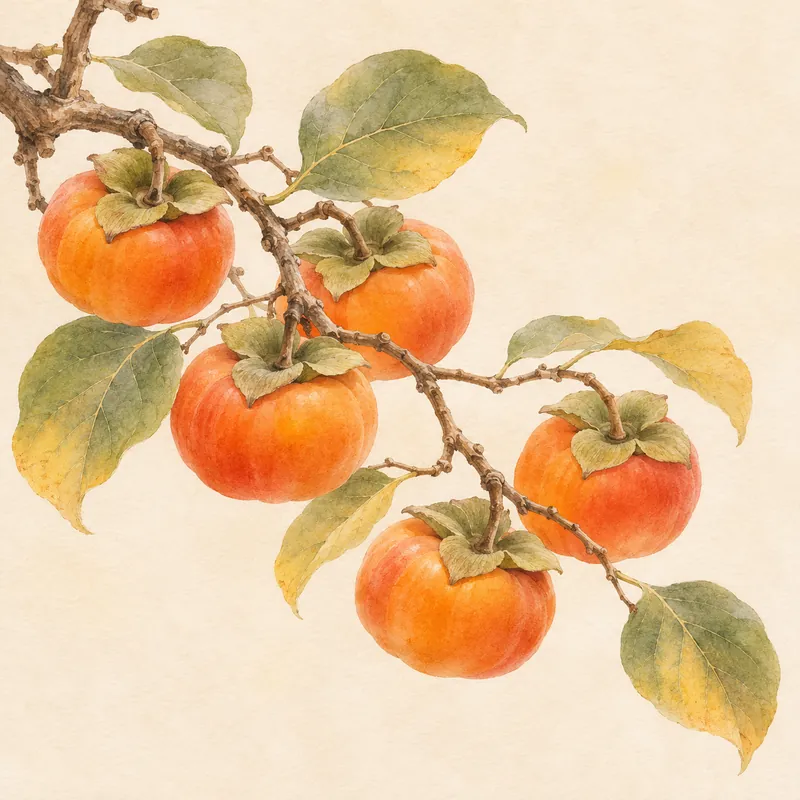
- Eating persimmons
- Some places eat red persimmons at Frost's Descent, believing they ward off cold, keep the body warm and strengthen muscles and bones, making them a valued seasonal food. Older people in Quanzhou say that eating local persimmons at Frost's Descent prevents a runny nose; elsewhere, people say skipping them that day will leave lips cracked all winter. Persimmons are fully ripe now, with thin skins and good flavor, but should be eaten in moderation. Persimmons and their skins should not be eaten on an empty stomach, nor should persimmons be eaten with crab.
- Putting on autumn weightSouthern Fujian and Taiwan
- While northern people ‘put on autumn weight’ at Beginning of Autumn, southern Fujian and Taiwan favor nourishing foods on Frost's Descent. Ducks sell well there at this time, and some places also eat beef on the day.
- Viewing chrysanthemums
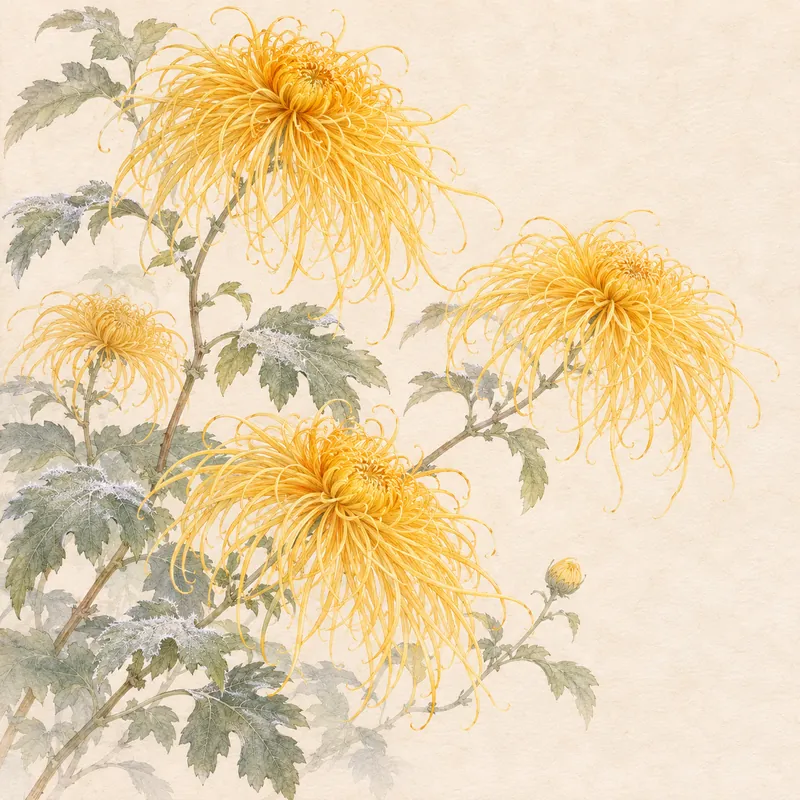
- The ninth lunar month is also called chrysanthemum month. Autumn chrysanthemums bloom at Frost's Descent, and many places hold flower shows. Since the Han and Wei periods, people have marked the Double Ninth Festival by climbing hills, wearing sprigs of cornel, viewing chrysanthemums and drinking wine.
- Sending off the taro ghostRoasting taro under hot tiles
- Before Frost's Descent in Gaoming, Guangdong, people traditionally ‘send off the taro ghost’. A tower is built from tiles and filled with dry firewood, which is burned until the tiles glow red. The tower is then toppled and taro roasted beneath the hot tiles, a practice called da yubao. Finally, the tiles are discarded outside the village as people pray for favorable weather and peace.
Life Today
Many places now hold chrysanthemum shows around Frost's Descent. As maples and smoke trees begin changing color, people climb hills and take countryside outings to view the red leaves.
Nourishing-food customs in Fujian and Taiwan and Gaoming's ‘sending off the taro ghost’ survive as local traditions, sometimes featured in folk performances.
According to traditional health practices, the saying ‘A year of nourishment cannot match nourishment at Frost's Descent’ reflects the importance attached to this solar term. As autumn's last solar term, it brings pronounced dryness, which is said to damage body fluids. Health practices therefore prioritize warmth and protection against autumn dryness, with a moderate increase in exercise. Food should provide gentle nourishment, with attention to strengthening the spleen and caring for the stomach. Traditional Chinese medicine also emphasizes preventing ‘autumn melancholy’: the bleak late-autumn landscape may prompt worry and sadness, so more protein-rich foods or group activities with companions are suggested. After Frost's Descent, maples and smoke trees begin to change color, making countryside hill walks to see red leaves a suitable form of leisure and exercise. These are traditional folk and Chinese medicine beliefs, provided for cultural understanding only, and do not constitute medical advice.
The Six Solar Terms of Autumn
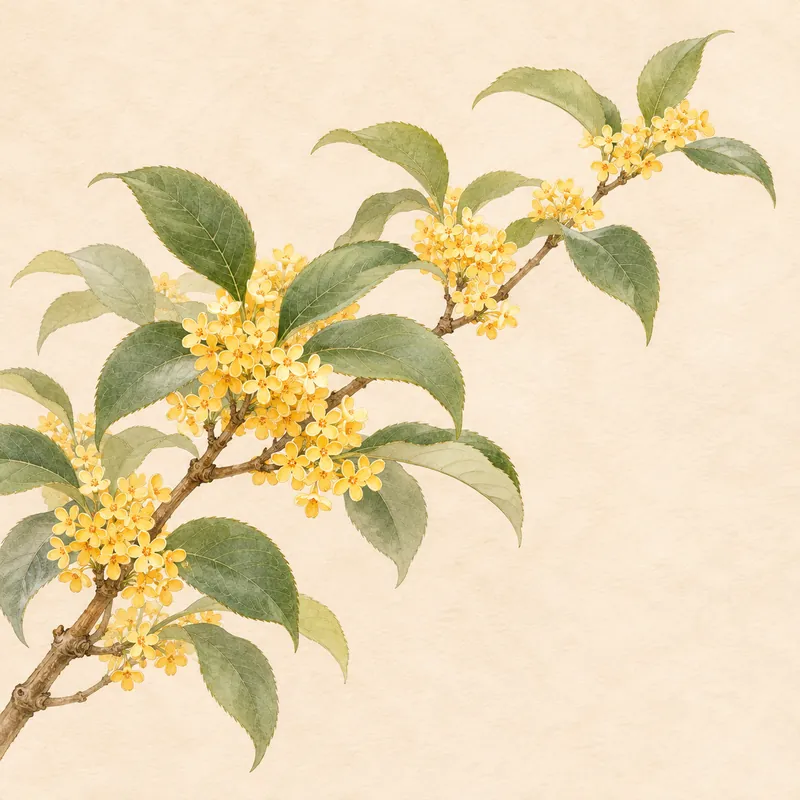
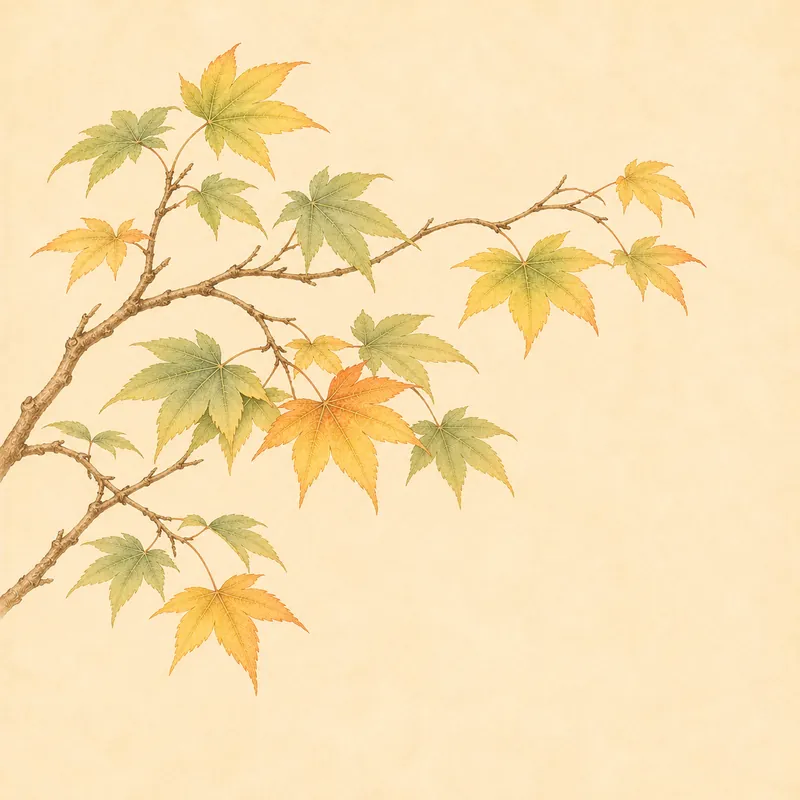
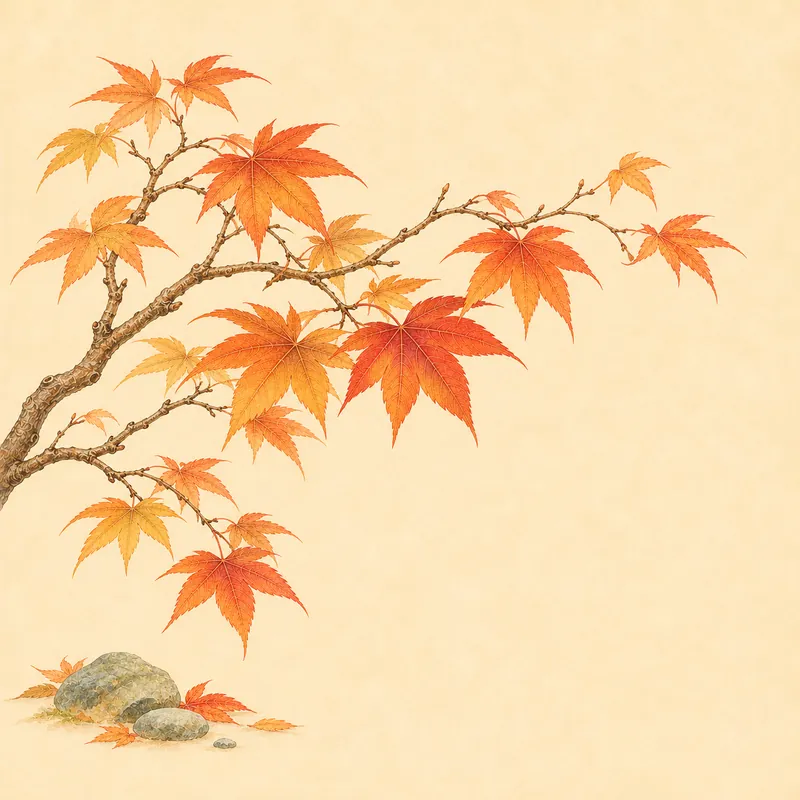
Source: China Intangible Cultural Heritage website Author: China Intangible Cultural Heritage Protection Center