
Almanac today: 29 Nov 2026 · UTC+8 time zone
 芒
Grain in Ear
節Summer's third solar term, a busy farming period when wheat harvesting and millet sowing coincide.
- Jie start in 2026
- Jun 523:48
- Solar ecliptic longitude
- 75°
- Order of solar terms
- Summer · No. 9
Next Grain in Ear: Jun 6, 2027 05:26, in 189 days (UTC+8 time zone)
What Is Grain in Ear?Introduction
Grain in Ear is the ninth of the twenty-four solar terms and reflects agricultural seasonal changes. Mang refers to harvesting awned crops such as wheat, while zhong refers to sowing crops such as millet.
The Chinese name also sounds like ‘busy sowing’, describing a time when harvesting and sowing happen together in one of the busiest farming periods of the year. The Collected Explanations of the Seventy-Two Pentads of the Monthly Ordinances (月令七十二候集解) describes the term at the beginning of the fifth lunar month as the time when awned grain crops can be planted.
Astronomy and Calendar
Grain in Ear begins around Jun 6 each year in the Gregorian calendar, when the Sun reaches ecliptic longitude 75°. Its precise time varies slightly each year.
It is summer's third solar term, following Grain Buds and preceding Summer Solstice.
Grain in Ear: Jie Start Times
| Year | Jie start time (UTC+8 time zone) | |
|---|---|---|
| 2025 | Jun 5 Thu 17:57 | Past |
| 2026 | Jun 5 Fri 23:48 | Past |
| 2027 | Jun 6 Sun 05:26 | Upcoming |
| 2028 | Jun 5 Mon 11:16 | |
| 2029 | Jun 5 Tue 17:10 |
Solar ecliptic longitude: 75°. Each year's time is calculated astronomically to the nearest minute.
Season and Climate
After Grain in Ear, the southeastern monsoon rain belt over southern China becomes relatively stable, bringing the year's heaviest rainfall. The middle and lower Yangtze regions enter the plum-rain season in succession, with abundant rain, little sunshine and sometimes low temperatures.
Rice, cotton and other crops grow vigorously and need substantial water, so moderate plum rains benefit agriculture. Rains that come too late or are too light, or come too early or are too heavy, all adversely affect production.
Three Traditional PentadsThe Seventy-Two Pentads
- First pentad·螳螂生(Young mantises hatch)
Mantis eggs laid in late autumn the previous year hatch, and young mantises emerge.
- Second pentad·鵙始鸣(Shrikes begin to call)
Shade-loving shrikes begin calling from branches.
- Third pentad·反舌无声(Mimicking birds fall silent)
Fanshe birds, skilled at imitating other birds' calls, stop singing at this time.
These three pentads come from the Collected Explanations of the Seventy-Two Pentads of the Monthly Ordinances (月令七十二候集解).
Traditional Farming
From Grain in Ear to Summer Solstice, autumn-ripening crops need sowing, transplanting and seedling care. This is also the busiest phase of the ‘three summer tasks’: harvesting, sowing and crop management. In southern China, mid-season rice not yet transplanted must be planted promptly, and sweet potato seedlings should be transplanted no later than Summer Solstice.
The weather and harvests of this period have also inspired many farming sayings:
At Grain in Ear, hurry to plant.
Rain at Grain in Ear brings a pea harvest; rain at Summer Solstice brings its loss.
Thunder at Grain in Ear promises a good harvest year.
Grain in Ear is busy: wheat reaches the threshing floor.
Wheat at Grain in Ear, millet in autumn; cut beans at Cold Dew and harvest taro around Frost's Descent.
Seasonal Customs and Foods
Customs
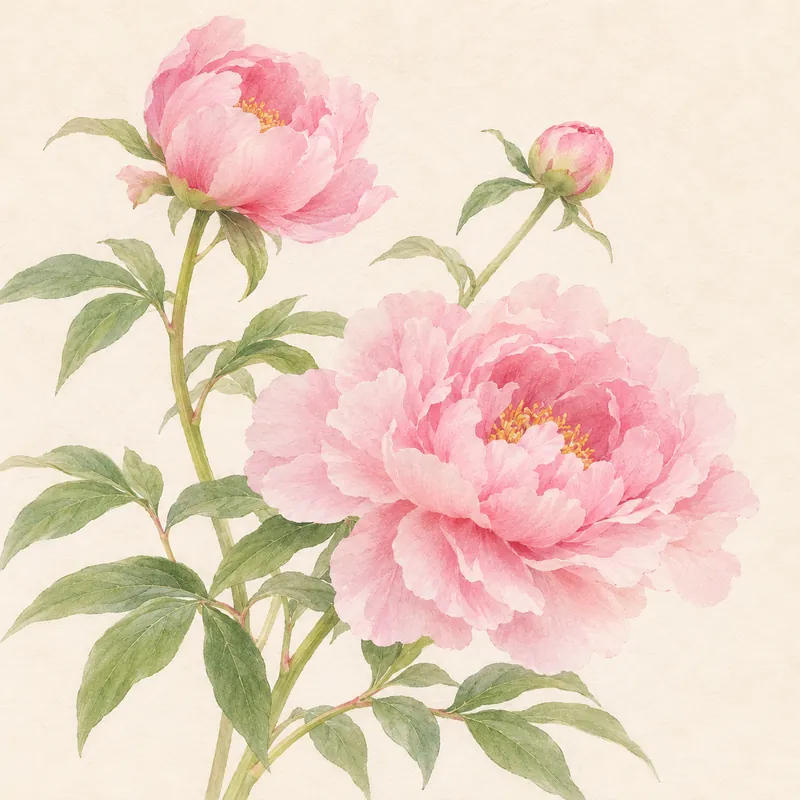
- Seeing off the flower deityA farewell to the flower deity
- As flowers fade around Grain in Ear, people formerly worshipped the flower deity and sent it back to its place, thanking it for its care and hoping to meet again the next year. This custom no longer survives. Chapter 27 of Dream of the Red Chamber (红楼梦) describes girls decorating flowering trees with petals, willow branches and colored threads for this Grain in Ear farewell.
- Anmiao: praying for seedlingsA southern Anhui custom
- Anmiao is a farming custom in southern Anhui, said to date from the early Ming dynasty. After rice transplanting at Grain in Ear, communities hold ceremonies to pray for an abundant autumn harvest. Families steam leavened buns made from new wheat flour, shape them into grains, livestock, melons, fruits and vegetables, and color them with vegetable juices as offerings.
- Mud fightsDong communities in southeastern Guizhou
- Young Dong men and women in southeastern Guizhou hold a mud-fight festival around Grain in Ear each year. Newlyweds and their friends transplant rice together, throwing mud at one another as they work. At the end, the person covered in the most mud is the most popular, combining farm work with play.
Food
- Cooking green plums
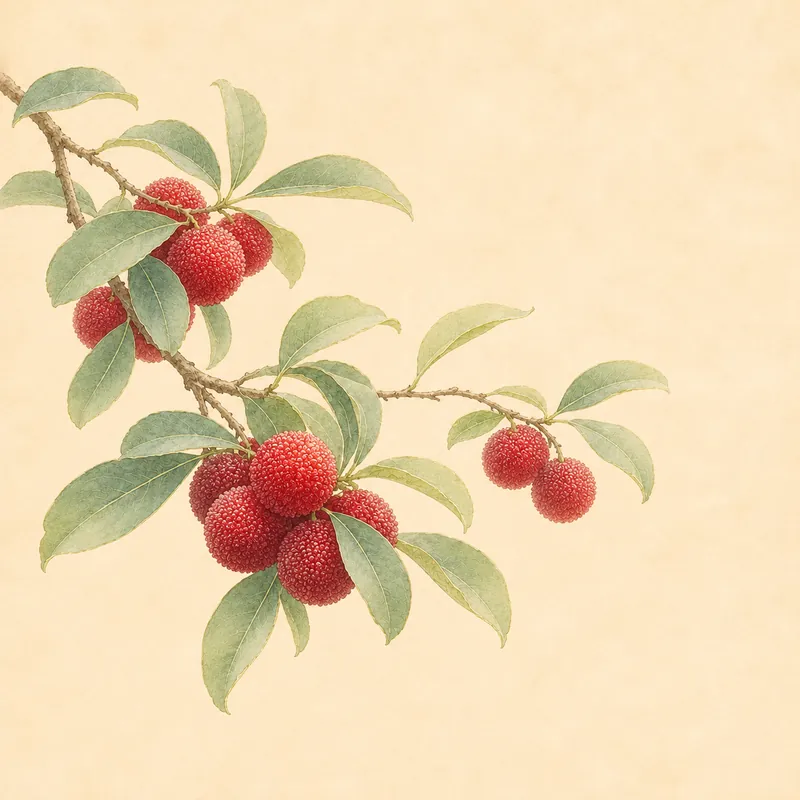
- Plums ripen in southern China in May and June. Green plums are sour and not easy to eat raw, so people in the past devised various ways to cook them. Cooking plums on Grain in Ear provides a seasonal food with a touch of refinement. They are said to contain various organic acids and minerals. Tradition holds that they help relieve fatigue and regulate acid–base balance, while people today also associate them with benefits for blood lipids and immunity.
Life Today
Grain in Ear remains a busy season for wheat harvesting and rice transplanting in rural areas. In cities, people more often experience the solar term through seasonal foods and drinks such as cooked plums and plum wine.
Farming customs such as Anmiao and mud fights continue as folk activities in some places, offering a view of agricultural life.
According to traditional health practices, people easily become sluggish and sleepy at Grain in Ear. A saying goes, ‘At Grain in Ear and Summer Solstice, you need someone to lead you as you walk,’ so keeping a relaxed, cheerful mood is encouraged. Hotter weather and greater physical exertion call for more fluids. The Tang-dynasty physician Sun Simiao favored light, clear, mildly sweet foods, particularly fermented wheat and barley preparations and japonica rice. He also advised those caring for their health to eat less meat and more rice, and cautioned against overly salty or sweet food. Older people produce fewer digestive fluids and may have varying degrees of hardening in the heart and brain's blood vessels. Their diet should focus on light nourishment, supplemented by foods said to relieve summer heat, protect the stomach and benefit the spleen. These are traditional folk and Chinese medicine beliefs, provided for cultural understanding only, and do not constitute medical advice.
The Six Solar Terms of Summer
Source: China Intangible Cultural Heritage website Author: China Intangible Cultural Heritage Protection Center