
Almanac today: 29 Nov 2026 · UTC+8 time zone
 小
Grain Buds
氣The second solar term of summer, when summer-ripening grains begin to fill but are not yet mature.
- Zhongqi start in 2026
- May 2108:37
- Solar ecliptic longitude
- 60°
- Order of solar terms
- Summer · No. 8
Next Grain Buds: May 21, 2027 14:18, in 173 days (UTC+8 time zone)
What Is Grain Buds?Introduction
Grain Buds is the eighth of the twenty-four solar terms. The Collected Explanations of the Seventy-Two Pentads of the Monthly Ordinances (月令七十二候集解) explains that things have reached a small degree of fullness by this time.
‘Fullness’ refers to summer-ripening grains beginning to fill out, while ‘small’ indicates that they are not fully mature and harvest is still some time away.
Astronomy and Calendar
Grain Buds begins between May 20 and 22 each year in the Gregorian calendar, when the Sun reaches ecliptic longitude 60°. Its precise time varies slightly each year.
It follows Beginning of Summer and precedes Grain in Ear as summer's second solar term.
Grain Buds: Zhongqi Start Times
| Year | Zhongqi start time (UTC+8 time zone) | |
|---|---|---|
| 2025 | May 21 Wed 02:55 | Past |
| 2026 | May 21 Thu 08:37 | Past |
| 2027 | May 21 Fri 14:18 | Upcoming |
| 2028 | May 20 Sat 20:10 | |
| 2029 | May 21 Mon 01:56 |
Solar ecliptic longitude: 60°. Each year's time is calculated astronomically to the nearest minute.
Season and Climate
From Grain Buds to Grain in Ear, regions across China enter summer in succession, the temperature difference between north and south narrows further, and precipitation increases.
Plants grow dense with leaves, summer-harvested crops approach maturity and spring-sown crops grow vigorously. Farmers pay particular attention to rainfall in the middle and lower Yangtze region and southern China.
Three Traditional PentadsThe Seventy-Two Pentads
- First pentad·苦菜秀(Bitter greens flourish)
Bitter greens have abundant stems and leaves and are growing vigorously.
- Second pentad·靡草死(Delicate grasses wither)
Shade-loving grasses with slender, soft stems cannot withstand strong sunshine and wither.
- Third pentad·麦秋至(Wheat harvest arrives)
The wheat-ripening season arrives, and grain crops gradually begin to mature.
These three pentads come from the Collected Explanations of the Seventy-Two Pentads of the Monthly Ordinances (月令七十二候集解).
Traditional Farming
Farming enters the busy ‘three summer tasks’ of harvesting, sowing and crop management. Wheat grains are filling and spring-sown crops are growing; vegetable and fruit cultivation, silkworm rearing and honey gathering also need timely attention.
Local experience of rain and weather has produced many farming sayings. These are some widely circulated examples:
No rain at Grain Buds means a lighter plum-rain season.
At Grain Buds, abundant rain fills the rivers.
If grains do not fill at Grain Buds, wheat is at risk.
Mulberries darken at Grain Buds; wheat is cut at Grain in Ear.
Garlic left unharvested at Grain Buds rots in the ground.
Seasonal Customs and Foods
Customs
- Worshipping the waterwheel deityThree wheels turn at Grain Buds
- In Jiangnan, ‘three wheels turn at Grain Buds’: the oil press, silk-reeling wheel and waterwheel, as people press oil, reel silk and irrigate. The wheel deity is said to be a white dragon. Offerings are set beside waterwheels and a cup of plain water is poured into the fields, expressing hopes for plentiful water.
- Racing to draw waterAround Haining, Zhejiang
- Before Grain Buds, a dozen or even several dozen waterwheels are lined up along rivers and channels, and farmers work them in pairs. As Grain Buds begins, gongs and drums signal everyone to tread the wheels together and draw river water into the fields. It is both a test of strength and endurance and a rehearsal for irrigation.
- Worshipping the silkworm deitySilkworm prayer festival
- Mulberry cultivation and silkworm rearing are traditional sideline occupations in Jiangsu and Zhejiang. Silkworms are difficult to raise, so people once regarded them as ‘creatures of heaven’. Grain Buds is said to be the silkworm deity's birthday, and local people hold a festival then to pray for a successful silkworm season.
Food
- Eating bitter greens
- Bitter greens are among the earliest wild vegetables eaten in China. Grain Buds once fell during the gap between old supplies and the new harvest, when people ate them to ease hunger, gradually establishing a food custom. In Ningxia and Gansu, they are often blanched and served cold with dressing; elsewhere they are used in soups, fillings or stir-fries. Tradition credits them with clearing heat, cooling the blood and removing toxins. Chinese medicine often uses them for heat-related conditions, and people in the past also used them to sober up.
Life Today
Some places in the south still remember the saying about the three wheels at Grain Buds. Former farming activities such as operating waterwheels and raising silkworms are often demonstrated as folk traditions, revealing the work and daily life behind the solar term.
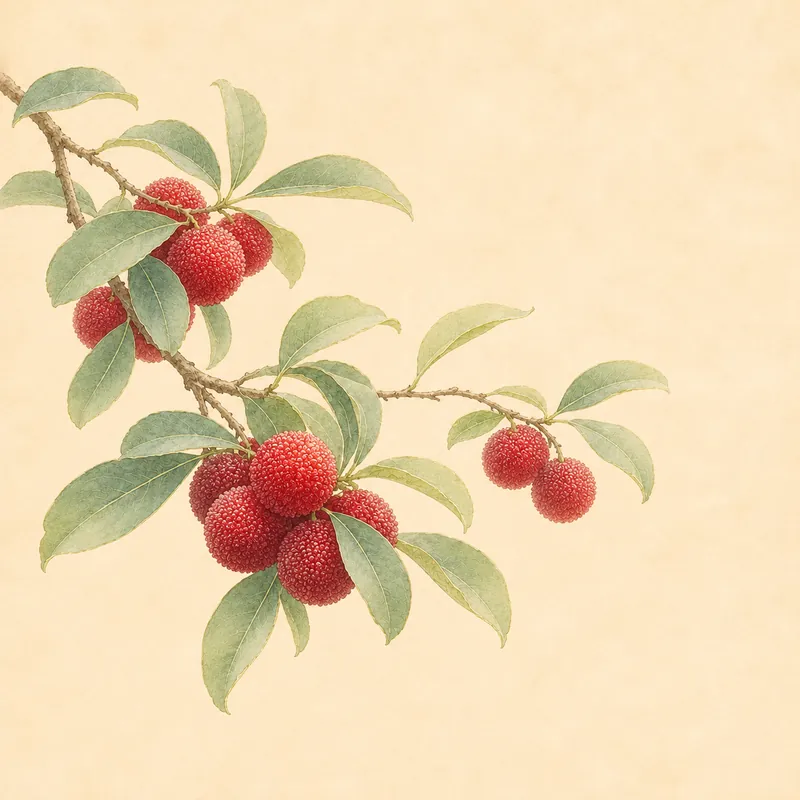
Seasonal wild greens and fruits such as bitter greens and mulberries remain part of meals at this time.
According to traditional health practices, all things flourish at Grain Buds, and bodily activity and energy use are high. Care focuses on strengthening the body's protective qi and resisting harmful influences. Skin diseases are particularly common then, so preventing illness before it occurs is emphasized. People prone to itchy rashes should favor light, mainly plant-based food, including more foods said to clear damp-heat, such as adzuki beans, Job's tears, mung beans, winter melon, loofah, crucian carp and duck. Rich, fatty, strongly flavored and warming foods that promote internal fire should be limited. These traditionally named ‘trigger foods’ include raw scallions, ginger and garlic, chili, fennel, cinnamon bark, Chinese chives, seafood such as marine fish, shrimp and crab, and beef and lamb. Most people may take moderate nourishment then, with soups said to clear heat, nourish yin, dispel dampness and warm the stomach, such as mung bean sprout and clam soup, shepherd's purse, ginger and fish-head soup, or peppercorn, mature hen and pork-stomach soup. These are traditional folk and Chinese medicine beliefs, provided for cultural understanding only, and do not constitute medical advice.
The Six Solar Terms of Summer
Source: China Intangible Cultural Heritage website Author: China Intangible Cultural Heritage Protection Center