
Almanac today: 29 Nov 2026 · UTC+8 time zone
 小
Minor Heat
節Heat begins without reaching its peak, as the plum rains end and the hottest summer days approach.
- Jie start in 2026
- Jul 709:57
- Solar ecliptic longitude
- 105°
- Order of solar terms
- Summer · No. 11
Next Minor Heat: Jul 7, 2027 15:37, in 220 days (UTC+8 time zone)
What Is Minor Heat?Introduction
Minor Heat is the eleventh of the twenty-four solar terms. Shu means ‘heat’: the term indicates that the weather is becoming hot but has not yet reached its hottest point.
The Collected Explanations of the Seventy-Two Pentads of the Monthly Ordinances (月令七十二候集解) explains that heat is divided into lesser and greater degrees: the beginning of the lunar month is minor and the middle major, and at this point the heat is still relatively slight.
Astronomy and Calendar
Minor Heat begins on Jul 7 or 8 each year in the Gregorian calendar, when the Sun reaches ecliptic longitude 105°. Its precise time varies slightly each year.
It follows Summer Solstice and precedes Major Heat as summer's fifth solar term. The hottest term, Major Heat, comes next.
Minor Heat: Jie Start Times
| Year | Jie start time (UTC+8 time zone) | |
|---|---|---|
| 2025 | Jul 7 Mon 04:05 | Past |
| 2026 | Jul 7 Tue 09:57 | Past |
| 2027 | Jul 7 Wed 15:37 | Upcoming |
| 2028 | Jul 6 Thu 21:30 | |
| 2029 | Jul 7 Sat 03:22 |
Solar ecliptic longitude: 105°. Each year's time is calculated astronomically to the nearest minute.
Season and Climate
At Minor Heat, even the wind feels hot. The plum-rain season in the Yangtze–Huai River basin is nearing its end, midsummer begins, temperatures rise and the summer drought period starts. Northern and northeastern China enter their rainy season.
Minor Heat is marked by the end of the plum rains and the beginning of the fu days. A saying describes Minor Heat and Major Heat as ‘steaming above and boiling below’, reflecting the humid heat.
Three Traditional PentadsThe Seventy-Two Pentads
- First pentad·温风至(Warm winds arrive)
The wind loses its coolness, and all the breezes are hot.
- Second pentad·蟋蟀居壁(Crickets shelter by walls)
In the heat, crickets leave the fields and seek shade in corners of courtyard walls.
- Third pentad·鹰始鸷(Hawks take to the heights)
With temperatures too high near the ground, hawks move to higher skies.
These three pentads come from the Collected Explanations of the Seventy-Two Pentads of the Monthly Ordinances (月令七十二候集解).
Traditional Farming
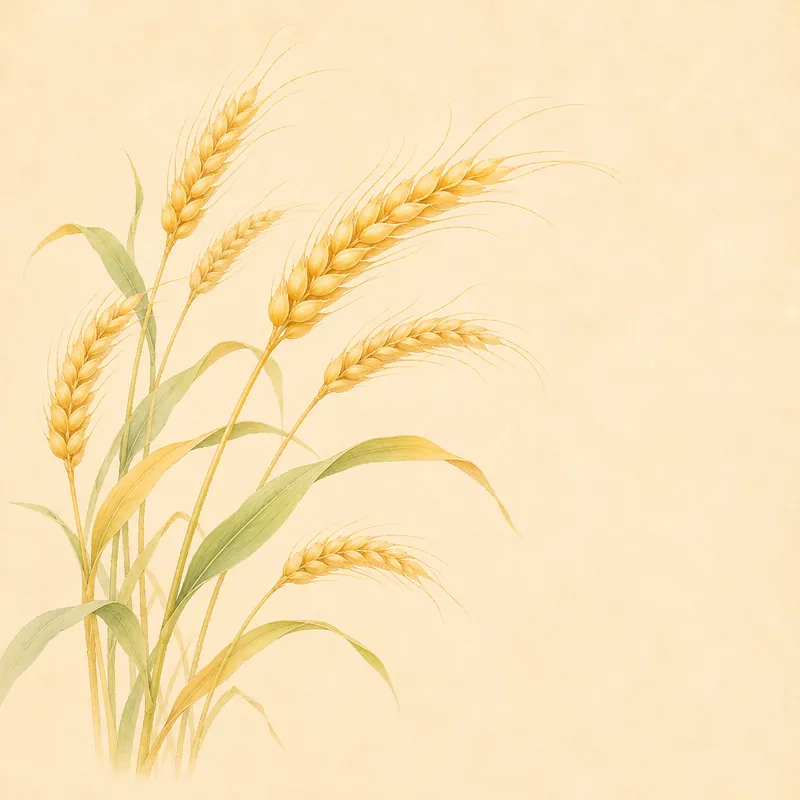
Around Minor Heat, crops everywhere enter vigorous growth. Apart from activities such as harvesting winter and spring wheat in northeastern and northwestern China, farm work mainly involves field management. Rain from thunderstorms and typhoons benefits rice but can harm dryland crops such as cotton and soybeans, as well as vegetables.
There are many rhymes and sayings about farming at this time:
Thunder at Minor Heat brings the plum rains back; their return lasts eighteen days.
Thin summer-sown seedlings, apply extra fertilizer, control pests and hoe thoroughly.
Plant vegetables on unused land; do not delay radishes in the first fu period.
Prune elms in winter and mulberries in summer; trim poplars during the fu days.
Fish grow during the three fu periods, pigs through autumn; more feed and disease prevention are key.
Seasonal Customs and Foods
Customs
- Eating summer lambSouthern Shandong and northern Jiangsu
- People in southern Shandong and northern Jiangsu traditionally eat lamb around Minor Heat. A local saying goes, ‘A bowl of Pengcheng lamb soup in the fu days means no need for a great physician's prescription.’
- Feeding cattle speciallyLinyi, Shandong
- Around Linyi, Shandong, cattle receive an improved diet: wheat-kernel soup is cooked for them during the fu days, said to make them strong and able to work. A folk rhyme goes, ‘Wheat-kernel soup, a meal for cattle; after drinking it they work without sweating; cook it once more in the sixth lunar month.’
- Noodles as the fu days beginDumplings in the first fu, noodles in the second
- The fu days begin less than a month after the wheat harvest in wheat-growing areas. People make dumplings and noodles with new flour, following the saying ‘Dumplings in the first fu, noodles in the second, pancakes with eggs in the third.’ Water-rinsed noodles are also common: cooked noodles are rinsed in cool water and served with mashed garlic and sauce.
Food
- Stir-fried eel slices
- A saying goes, ‘Rice-field eel at Minor Heat rivals ginseng.’ Eels caught in the month around Minor Heat are at their plumpest and make a seasonal dish. Tradition regards them as warming and sweet, able to strengthen the middle and qi, nourish the liver and spleen, dispel wind-dampness, and strengthen sinews and bones. Summer is considered a period of relief for chronic bronchitis, asthma and rheumatoid arthritis, so eating eel then fits the idea of nourishing in summer for winter illnesses.
- Lotus root with honey
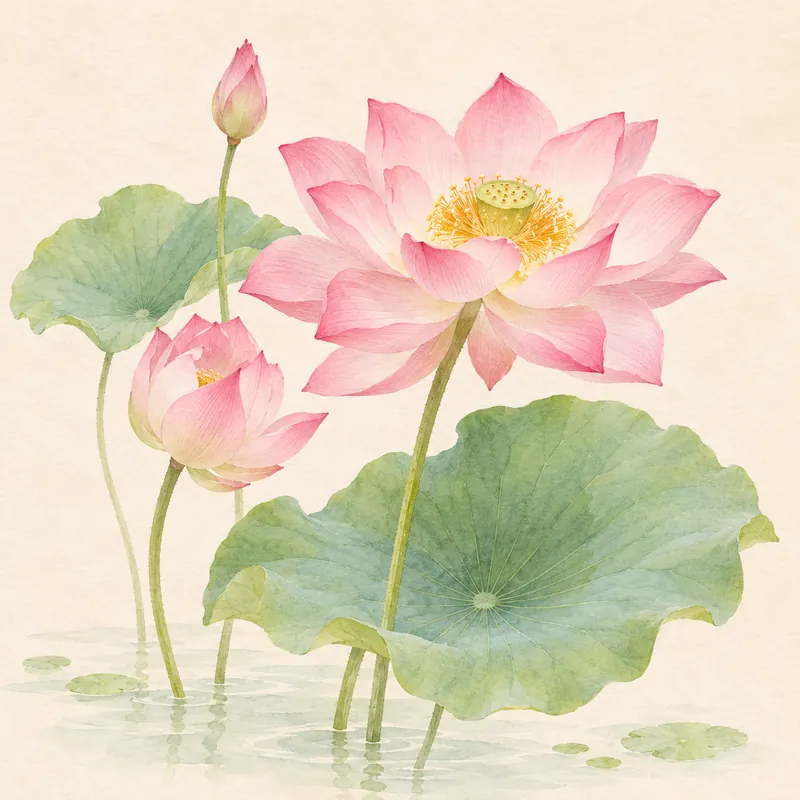
- Eating lotus root at Minor Heat is a folk custom. Fresh lotus root is simmered gently until tender, sliced and mixed with an appropriate amount of honey as a refreshing summer snack. Traditional accounts describe lotus root as containing calcium, phosphorus, iron, vitamins and dietary fiber and as clearing heat and nourishing blood. Lotus root with honey is also said to calm the mind and help sleep.
Life Today
After Minor Heat, the fu days begin. Many people still follow the custom of dumplings in the first fu and noodles in the second, while others eat seasonal foods such as cold noodles and lotus root or drink lotus-leaf tea.
Blooming lotuses are another seasonal sight, and many places hold lotus-viewing activities beside ponds.
According to traditional health practices, the body's yang energy is strongest at Minor Heat. Balancing work and rest and keeping a calm mind protect yang energy and heart function, following the principle of nurturing yang in spring and summer. Folk tradition describes Minor Heat and Major Heat as ‘steaming above and boiling below’; once the fu days begin, going out less can help avoid the heat. Another saying advises against sitting on stone in winter or wood in summer: wooden outdoor seats absorb dew and rain, then release dampness under the sun. Sitting on them for too long is said to trigger rheumatic conditions and arthritis, so middle-aged and older people are especially advised to avoid prolonged sitting. Appetite is poor in the fu days, and water-rinsed noodles and dumplings are eaten to stimulate it; the noodles are also said to reduce ‘heart fire’. Summer is considered a period of relief for chronic bronchitis, asthma and rheumatoid arthritis. Under the idea of nourishing in summer for winter illnesses, rice-field eel is especially suitable at Minor Heat: warming and sweet, it is traditionally said to strengthen the middle and qi, nourish the liver and spleen, dispel wind-dampness, and strengthen sinews and bones. Lotus root is credited with clearing heat and nourishing blood; gently simmered until soft and mixed with honey, it is also said to calm the mind and aid sleep. These are traditional folk and Chinese medicine beliefs, provided for cultural understanding only, and do not constitute medical advice.
The Six Solar Terms of Summer
Source: China Intangible Cultural Heritage website Author: China Intangible Cultural Heritage Protection Center