
Almanac today: 29 Nov 2026 · UTC+8 time zone
 秋
Autumn Equinox
氣The sixteenth of the twenty-four solar terms, when day and night are nearly equal in length.
- Zhongqi start in 2026
- Sep 2308:05
- Solar ecliptic longitude
- 180°
- Order of solar terms
- Autumn · No. 16
Next Autumn Equinox: Sep 23, 2027 14:02, in 298 days (UTC+8 time zone)
What Is Autumn Equinox?Introduction
Autumn Equinox is autumn's fourth solar term and the midpoint of its ninety days. The Collected Explanations of the Seventy-Two Pentads of the Monthly Ordinances (月令七十二候集解) explains that fen means ‘equal division’, since this is halfway through the ninety-day season.
The Luxuriant Dew of the Spring and Autumn Annals (春秋繁露) also describes Autumn Equinox as a balance of yin and yang, with equal day and night and balanced cold and heat. Like Spring Equinox, it was among the earliest solar terms established.
Astronomy and Calendar
Autumn Equinox falls between Sep 22 and 24 in the Gregorian calendar, when the Sun reaches ecliptic longitude 180° and shines directly over the equator. Day and night are approximately equal in length.
After Autumn Equinox, the area experiencing polar night around the North Pole gradually expands, as does the area experiencing polar day around the South Pole.
Autumn Equinox: Zhongqi Start Times
| Year | Zhongqi start time (UTC+8 time zone) | |
|---|---|---|
| 2025 | Sep 23 Tue 02:19 | Past |
| 2026 | Sep 23 Wed 08:05 | Past |
| 2027 | Sep 23 Thu 14:02 | Upcoming |
| 2028 | Sep 22 Fri 19:45 | |
| 2029 | Sep 23 Sun 01:39 |
Solar ecliptic longitude: 180°. Each year's time is calculated astronomically to the nearest minute.
Season and Climate
At Autumn Equinox, cold air moving south meets weakening warm, moist air, producing rainfall and falling temperatures—the pattern behind ‘Each autumn rain brings another chill’.
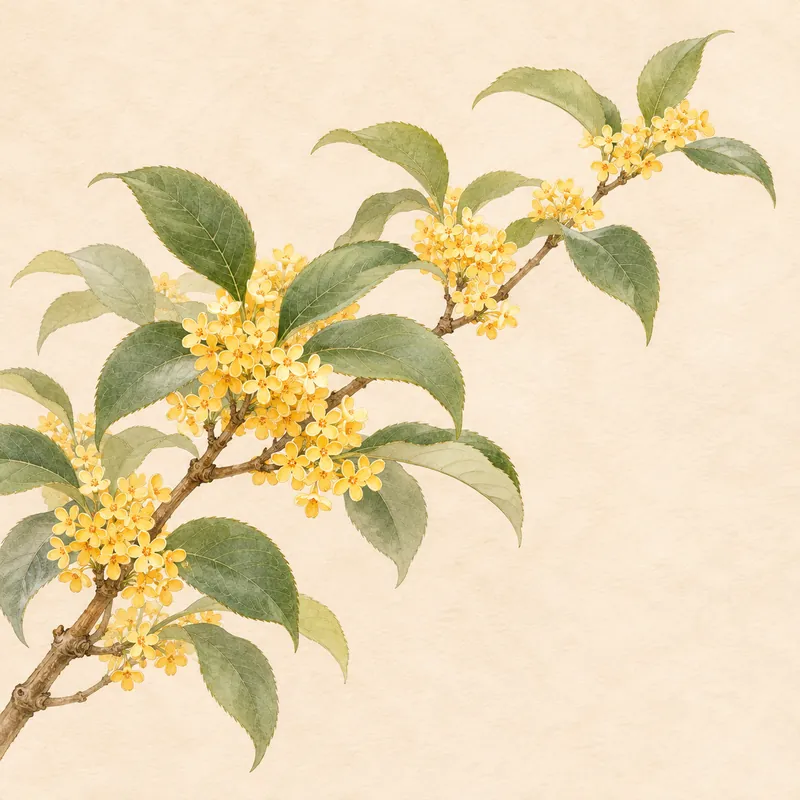
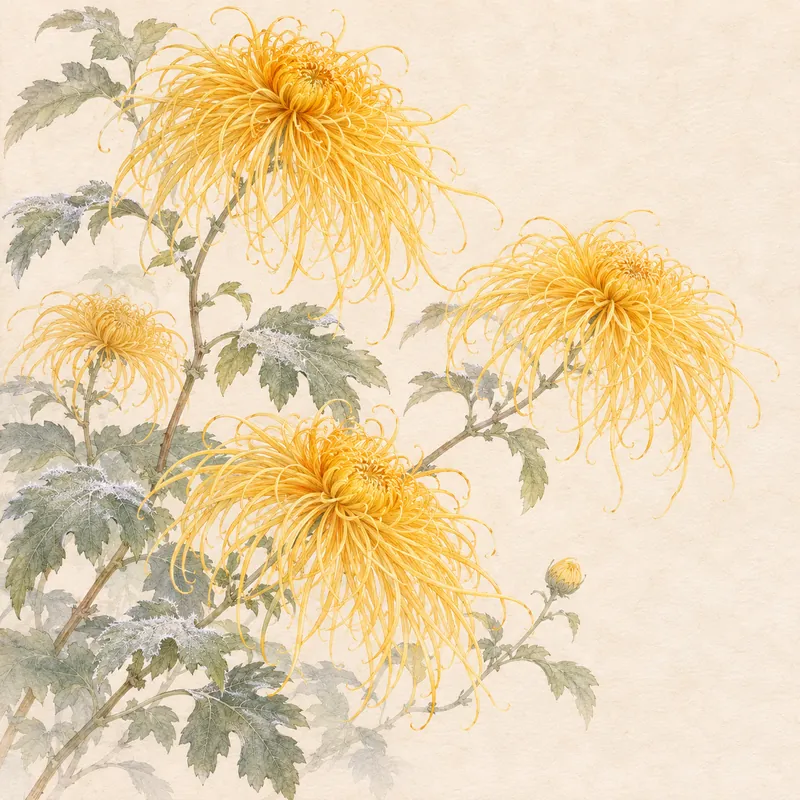
Across the Yangtze basin and extensive areas farther north, daily mean temperatures have fallen below 22°C, marking autumn in climatic terms. The rainy season has ended in most regions, and clear weather predominates. Familiar descriptions evoke high skies and thin clouds, fragrant golden osmanthus, plump crabs and yellow chrysanthemums.
Three Traditional PentadsThe Seventy-Two Pentads
- First pentad·雷始收声(Thunder begins to fall silent)
Ancient people believed that thunder ceased as yin grew stronger.
- Second pentad·蛰虫坯户(Dormant insects seal their doors)
As it grows cold, small insects seal their burrows with fine earth and retreat inside.
- Third pentad·水始涸(Water begins to dry up)
Rainfall decreases, the weather dries and pools and marshes begin to dry out.
These three pentads come from the Collected Explanations of the Seventy-Two Pentads of the Monthly Ordinances.
Traditional Farming
The half month from Autumn Equinox to Cold Dew is the final crucial period for grain filling and yield formation in autumn-ripening crops. Together with the busy autumn harvest, tilling and sowing, this makes farming especially intensive. Winter wheat sowing begins in North China, while south of the Yangtze it is time to harvest rice and for late rice to head and flower.
Many folk sayings concern the weather and farming around Autumn Equinox:
White Dew is early and Cold Dew late; Autumn Equinox is just right for sowing wheat.
Rain at Autumn Equinox brings abundance next year.
If the ears have not emerged by Autumn Equinox, cut the crop to feed the cattle.
An early start is key to the three busy autumn tasks.
Seasonal Customs and Foods
Customs
- Moon worship at Autumn Equinox
- Autumn Equinox was once the traditional festival of moon worship. The Zhou dynasty is associated with worshipping the Sun at Spring Equinox and the Moon at Autumn Equinox. The Book of Rites (礼记) records the emperor greeting the morning Sun in spring and the evening Moon in autumn. Beijing's Temple of the Moon was where Ming and Qing emperors worshipped the Moon; the custom later gradually spread among ordinary people.
- Visiting neighbors at the autumn earth-god festival
- At the autumn earth-god festival, a year's hard work has yielded its rewards. Neighbors visit one another, with even more festivity than at the spring festival, and households serve newly harvested local produce. A saying runs: ‘Chicken and pork for the autumn festival, taro and chestnuts from the garden; whoever you are, come and stay’.
- Balancing eggs
- ‘At Autumn Equinox, eggs take their turn’: in various places, people play at balancing eggs on this day. A smooth, evenly shaped fresh egg laid four or five days earlier is gently stood upright on a table. The game also expresses reverence for life.
- Delivering autumn ox picturesTelling autumn
- People once went door to door delivering ‘autumn ox pictures’: red or yellow sheets printed with the year's solar terms and a farmer plowing. The deliverers were usually folk performers skilled at speaking and singing, who improvised auspicious words and remarks on autumn cultivation at each home. This was called ‘telling autumn’, and the performers were known as ‘autumn officials’.
- Sticking sparrows' beaks
- Farmers traditionally take the day off at Autumn Equinox, and every household eats tangyuan, glutinous rice balls. Unfilled rice balls are also boiled, threaded onto thin bamboo sticks and set at field edges. Called ‘sticking sparrows' beaks’, this practice is intended to keep birds from spoiling the crops.
Food
- Eating autumn greensLingnan
- In Lingnan, whole villages once gathered a wild amaranth called ‘autumn greens’ on Autumn Equinox. It was generally cooked with sliced fish into ‘autumn soup’.
- Osmanthus duckNanjing
- Nanjing's osmanthus duck goes on sale when osmanthus flowers are fragrant. Ordinary salted duck is flavored with an osmanthus brine, making it rich without being greasy.
Life Today
Traces of the Autumn Equinox moon-worship tradition remain at places such as Beijing's Temple of the Moon.
People in various places still play the egg-balancing game. Clear autumn days also suit kite flying and outings with children.
According to traditional health practices, the large morning–evening temperature differences at Autumn Equinox call for adjusting clothing promptly to the weather and one's constitution to prevent wind-cold. Washing the face with cold water is said to prevent colds, and one need not add heavy clothing too early, allowing moderate exposure to autumn coolness. Autumn health practices emphasize drawing inward: go to bed early, rise early and keep regular routines. Choose gentle, relaxed exercise without heavy exertion; clear weather with moderate wind also suits flying kites with children. Traditional Chinese medicine advocates nourishing yang in spring and summer and yin in autumn and winter, with particular dietary attention to preventing autumn dryness. Crabs are now full of roe and meat, but are considered cold in nature, so people with deficiency-cold of the spleen and stomach should not eat too many. Dipping crab in minced ginger and vinegar is said to dispel cold and help avoid acute gastroenteritis or acute pancreatitis from overeating. Crab should also not be eaten with tea or persimmons: their tannins are said to combine with crab proteins into indigestible masses that may cause abdominal pain and vomiting, a condition commonly called persimmon stomach bezoars. These are traditional folk and Chinese medicine beliefs, provided for cultural understanding only, and do not constitute medical advice.
The Six Solar Terms of Autumn
Source: China Intangible Cultural Heritage website Author: China Intangible Cultural Heritage Protection Center